







Why Is Drilling High-Temp Alloys So Difficult?
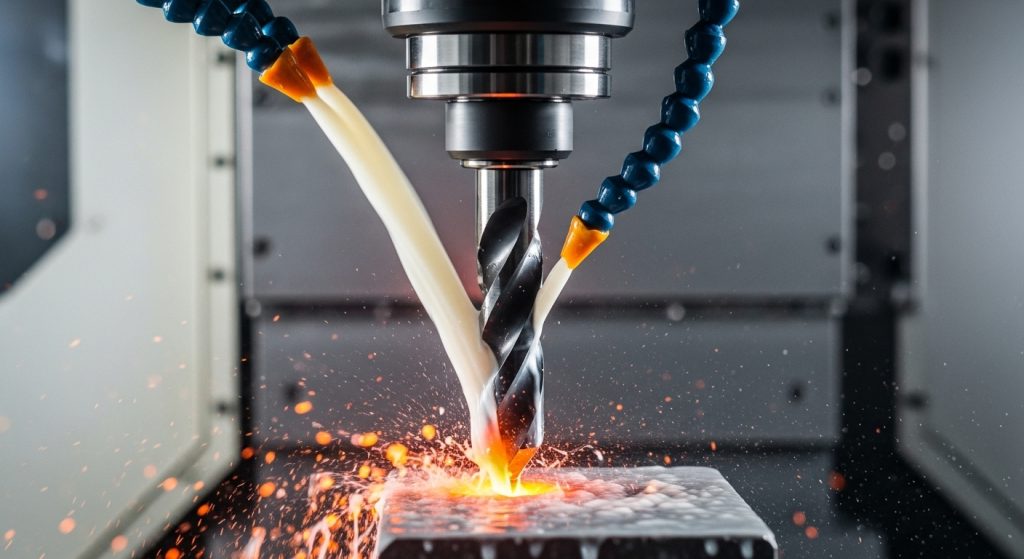
High-temp alloys possess poor thermal conductivity and high shear strength, creating a “perfect storm” for tool failure. Heat concentrates directly at the cutting edge rather than dissipating into the chips. Furthermore, these alloys are highly prone to work hardening; if the drill dwells or rubs for even a fraction of a second, the material surface becomes harder than the drill itself, leading to catastrophic failure.
The Thermal Conductivity Challenge
When you drill standard carbon steel, the chips carry away about 80% of the heat. In nickel-based alloys like Inconel 718, the material acts like an insulator. The heat has nowhere to go but into your tool. This leads to:
- Plastic Deformation: The cutting edge softens and rolls over.
- Built-Up Edge (BUE): Material welds to the cutting lip, altering the geometry.
- Thermal Shock: Rapid heating and cooling causes micro-cracks in the carbide.
Machinist’s Note: I once saw a rookie operator try to “baby” a drill through Waspaloy by slowing the feed. The drill screamed, the part glowed, and the tool snapped. In these materials, hesitation is death. You must commit to the cut.
What Is the Best Drill Material for Superalloys?
The Verdict:
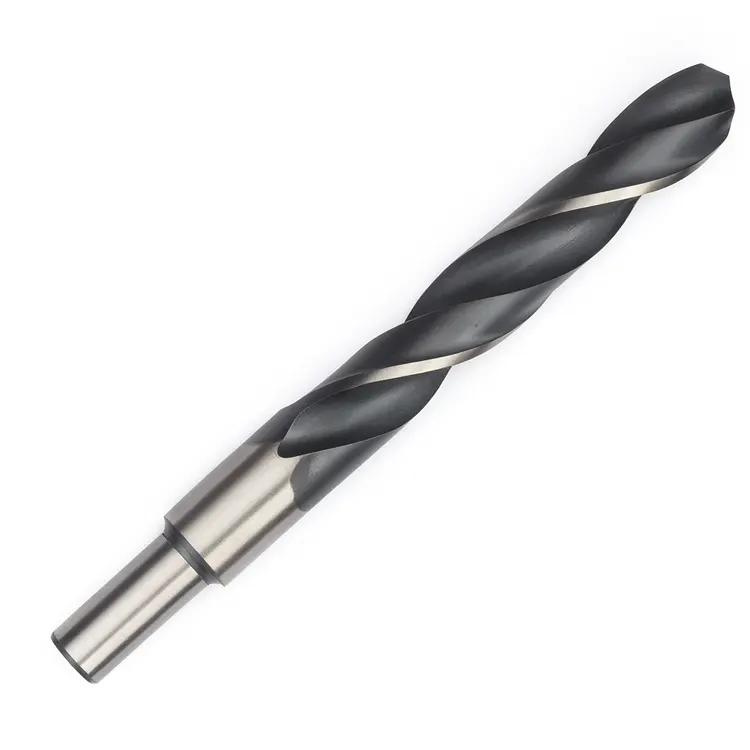
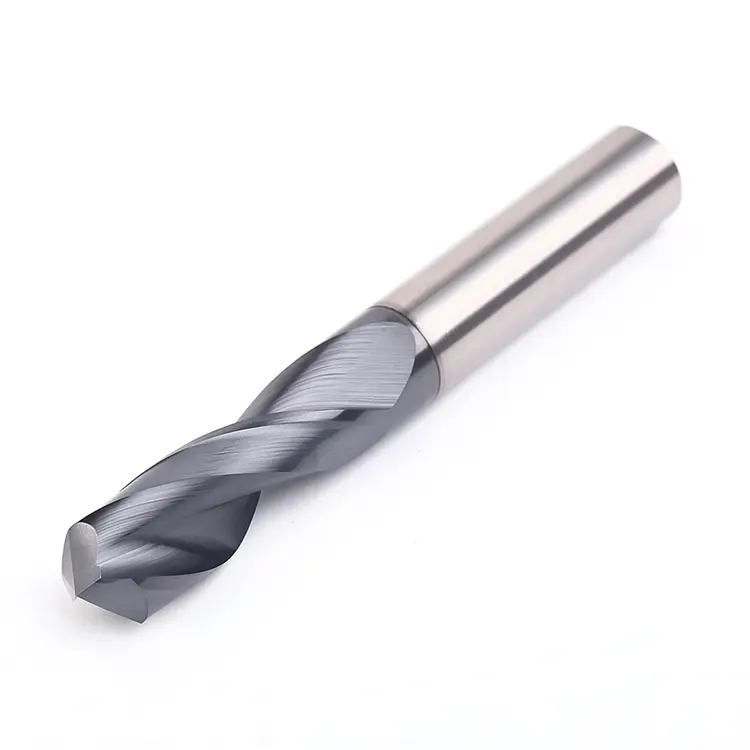
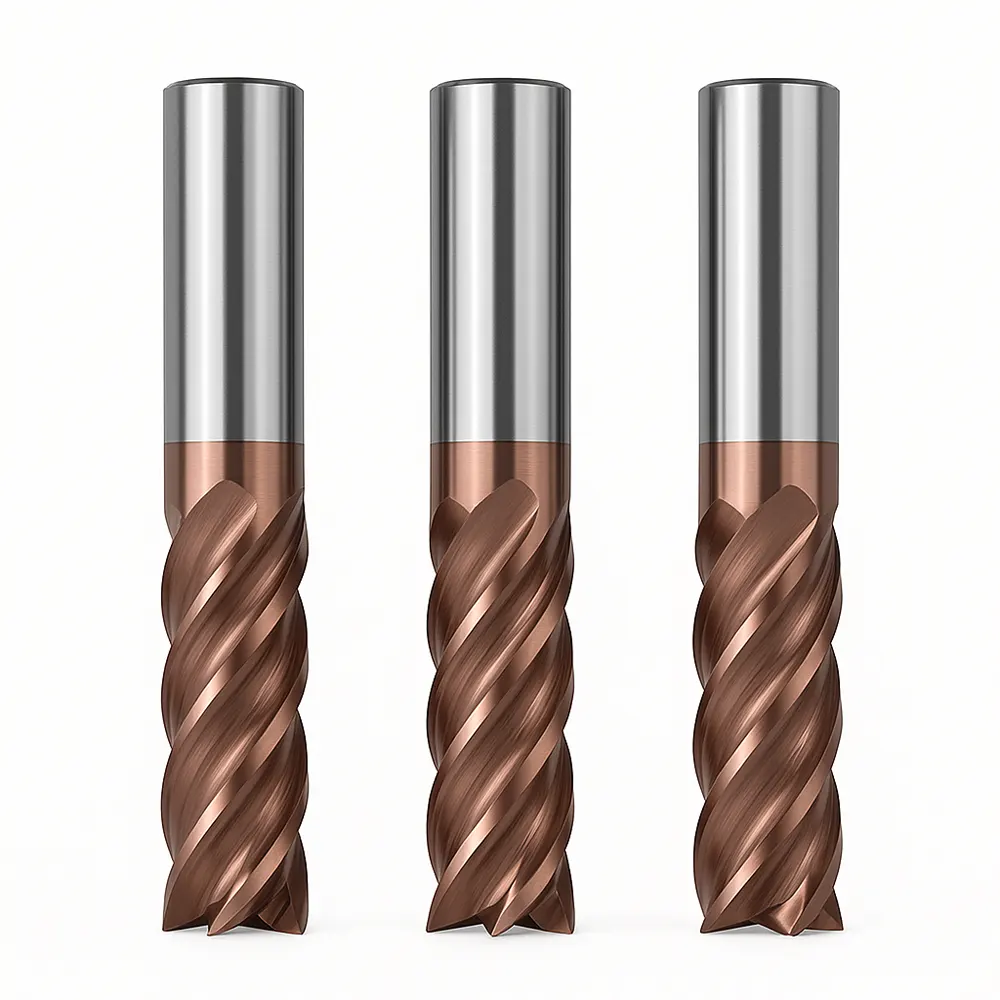
Solid carbide with a sub-micron grain structure is the absolute best drill material for high-temp alloys. It offers the necessary rigidity to penetrate without flexing and the heat resistance to maintain a sharp edge at elevated temperatures. While Cobalt (HSCO) can handle short runs in softer Titanium grades, it lacks the red hardness required for consistent production in Nickel-based superalloys.
Comparing Substrates: Carbide vs. Cobalt vs. HSS
To understand why carbide wins, we have to look at the microstructure.
- Micro-Grain Carbide: This provides high transverse rupture strength. It resists the immense pressure required to shear these “gummy” alloys.
- Cobalt (M35/M42): Useful for manual machining or setups where rigidity is poor. However, the wear rate in Inconel is rapid.
- Powdered Metal (PM): A middle ground, but generally not cost-effective compared to the performance jump of solid carbide.
If you are setting up a production run, explore our detailed Material Based Drilling Guides to match the specific grade of carbide to your alloy.
Which Coatings Handle the Heat Best?
The Recommendation:
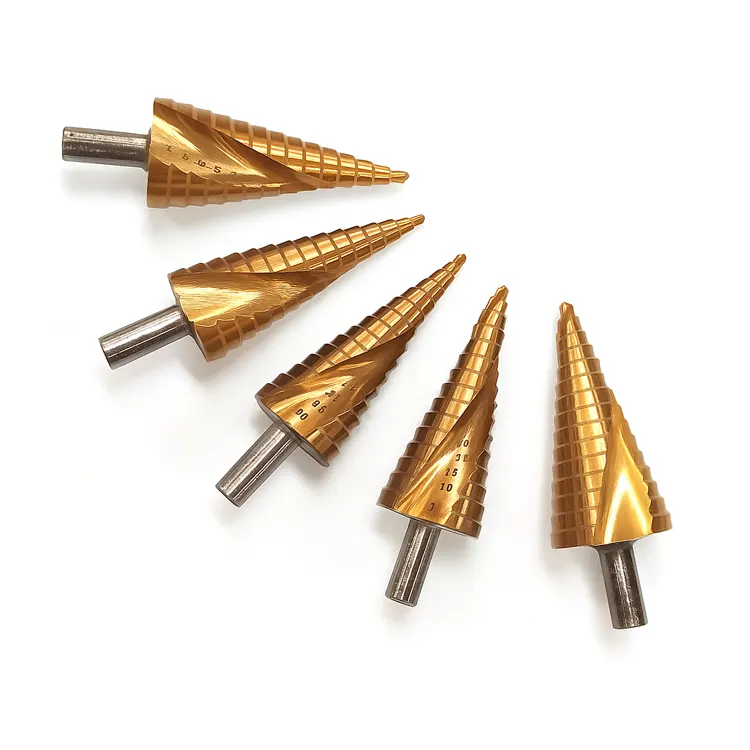
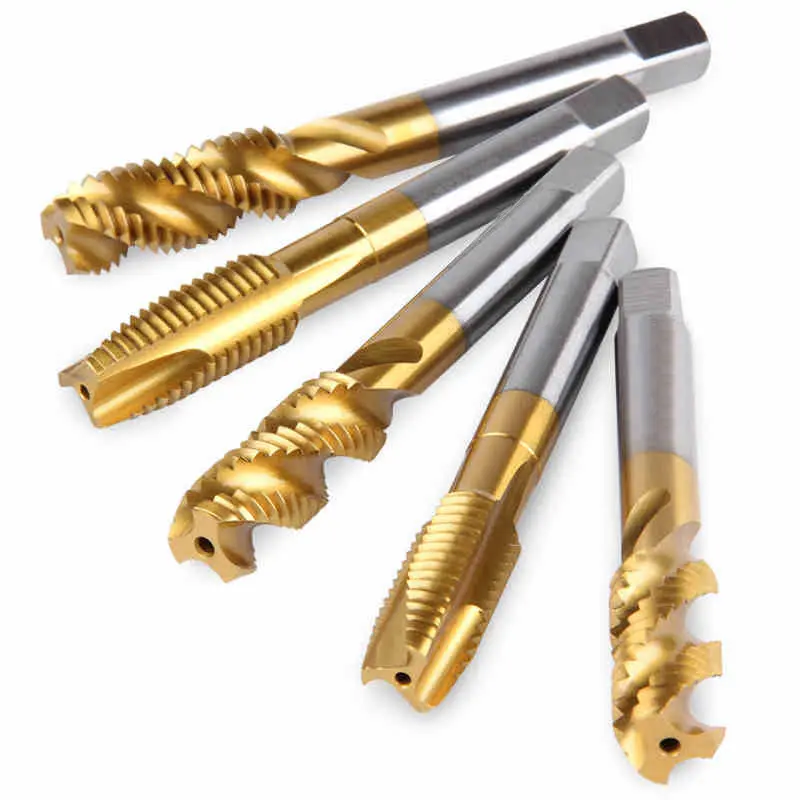
AlTiN (Aluminum Titanium Nitride) is the top-performing coating for high-temp alloys due to its exceptional heat resistance. When exposed to high cutting temperatures, AlTiN forms a microscopic layer of aluminum oxide, effectively creating a heat shield that insulates the carbide substrate. Avoid TiN (Gold) or bright finishes, as they break down at the temperatures generated by superalloys.
The Hierarchy of Coatings for HRSA
| Coating | Oxidation Temp | Suitability for High-Temp Alloys | Notes |
| AlTiN | ~900°C | Excellent | Best for dry machining or high heat. |
| TiAlN | ~800°C | Very Good | A standard high-performance option. |
| TiCN | ~400°C | Poor | Better for stainless or abrasive wear. |
| TiN | ~600°C | Not Recommended | Insufficient heat protection. |
For a deeper dive into coating technologies, read our guide on the Coating for Tough Materials.
What Geometry Is Required for Inconel and Waspaloy?
The Solution:
Use a drill with a 135° to 140° split point and a heavy web construction. The flatter point angle reduces thrust requirements and aids in self-centering, while the heavy web adds torsional rigidity to prevent chatter. A specialized “edge prep” or hone is also critical; a razor-sharp edge will chip instantly, so a controlled hone strengthens the cutting lip against shock.
Geometry Breakdown
- Point Angle: Standard 118° points generate too much torque and heat. The 140° point distributes the load over a shorter cutting lip, reducing heat generation.
- Helix Angle: A slow helix (12°-15°) is often preferred for Titanium to prevent the tool from being “sucked” into the material. However, for Nickel alloys, a standard to fast helix helps evacuate the gummy chips.
- Margin Width: A narrower margin reduces the surface area rubbing against the hole wall, which minimizes work hardening and heat generation.
How Critical Is Coolant Delivery (Through-Coolant vs. Flood)?
The Reality:
High-pressure through-spindle coolant (TSC) is mandatory for optimal performance and tool life in high-temp alloys. TSC blasts chips out of the flutes and delivers lubricity directly to the shear zone, preventing heat build-up. Flood coolant often fails to penetrate the hole bottom, leading to thermal shock and rapid edge breakdown, especially in holes deeper than 3x diameter.
Managing Heat Zone Temperatures
If you are limited to flood coolant, you must be hyper-aware of “pecking” cycles to allow fluid to enter. However, pecking is risky because every re-entry is a chance to work-harden the bottom of the hole.
To master thermal management, review our strategies on How to Reduce Heat When Drilling Steel, as many principles apply here but with tighter margins for error.
How Do I Prevent Work Hardening While Drilling?
The Strategy:
Maintain a constant, aggressive feed rate and never allow the tool to dwell. Enter the cut decisively; if the tool rubs without cutting, the material surface will instantly harden, destroying the drill tip. If you must retract (peck) to clear chips, ensure you re-enter the hole at full feed rate, stopping just above the bottom to avoid slamming into the work-hardened layer.
The “No-Dwell” Rule
In materials like Hastelloy or Rene 41, the microstructure changes under pressure and heat.
- Don’t ramp up speed slowly in the cut.
- Do establish RPM and feed before contact.
- Do increase chip load (feed per rev) if the drill creates a high-pitched squeal.
For more techniques on dealing with surface hardening, refer to our guide: How to Drill Hardened Materials.
Comparison Table: Drill Performance by Alloy Type
Quick Reference:
Different high-temp alloys have unique characteristics. Use this table to select the right approach.
| Alloy Family | Example | Best Drill Type | Key Challenge |
| Nickel-Based | Inconel 718, Waspaloy | Carbide, AlTiN, 140° Point | Extreme work hardening & heat. |
| Titanium | Ti-6Al-4V | Carbide, Uncoated or specialized | Chip packing & elasticity. |
| Cobalt-Based | Haynes 25 | Carbide, TiAlN | High abrasiveness. |
| Iron-Based | A286 | Carbide or Cobalt (HSCO) | Gummy chips. |
Troubleshooting Common Failures
What Checks to Perform:
If your drill is chipping at the outer corners, your cutting speed (SFM) is likely too high. If the drill is chipping at the center or splitting the web, your feed rate is too high, or the back taper is insufficient. Rapid wear on the margins indicates the material is closing in on the drill due to heat expansion or stress relief.
- Chipping Corners: Reduce RPM by 20%.
- Built-Up Edge: Increase coolant concentration or pressure; consider a smoother coating.
- Drill Snapping: Check for chip packing. You may need to Improve Chip Control by altering the peck cycle or helix angle.
Conclusion: The Winning Combination
There is no single “magic wand” for drilling high-temp alloys, but there is a winning formula. To achieve consistent hole quality and predictable tool life, you must utilize:
- Sub-micron Grain Carbide for rigidity.
- AlTiN Coating for thermal insulation.
- 140° Split Point Geometry to reduce thrust.
- High-Pressure Through-Coolant to evacuate heat.
By respecting the material’s tendency to work-harden and committing to aggressive feed rates, you can turn a nightmare job into a profitable production run.
