

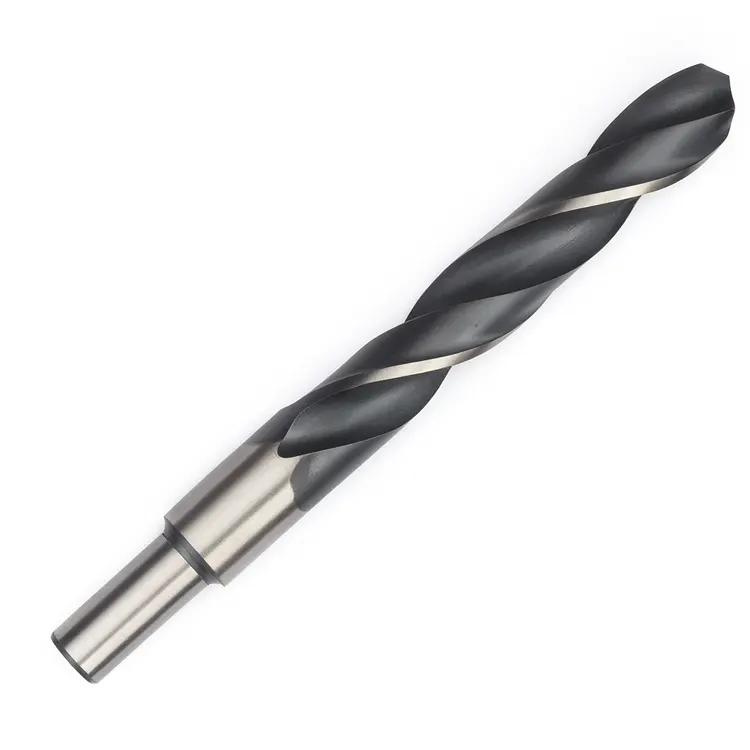
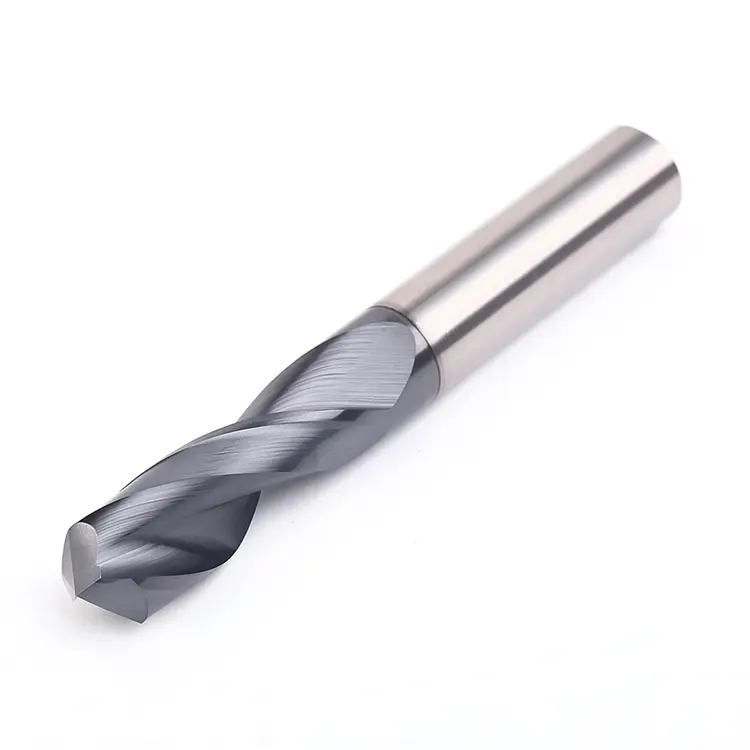
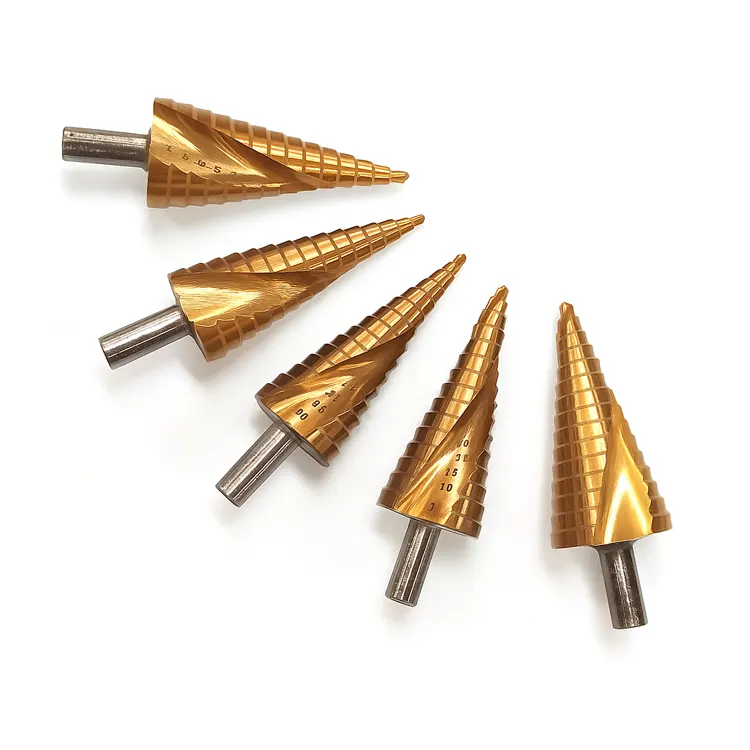
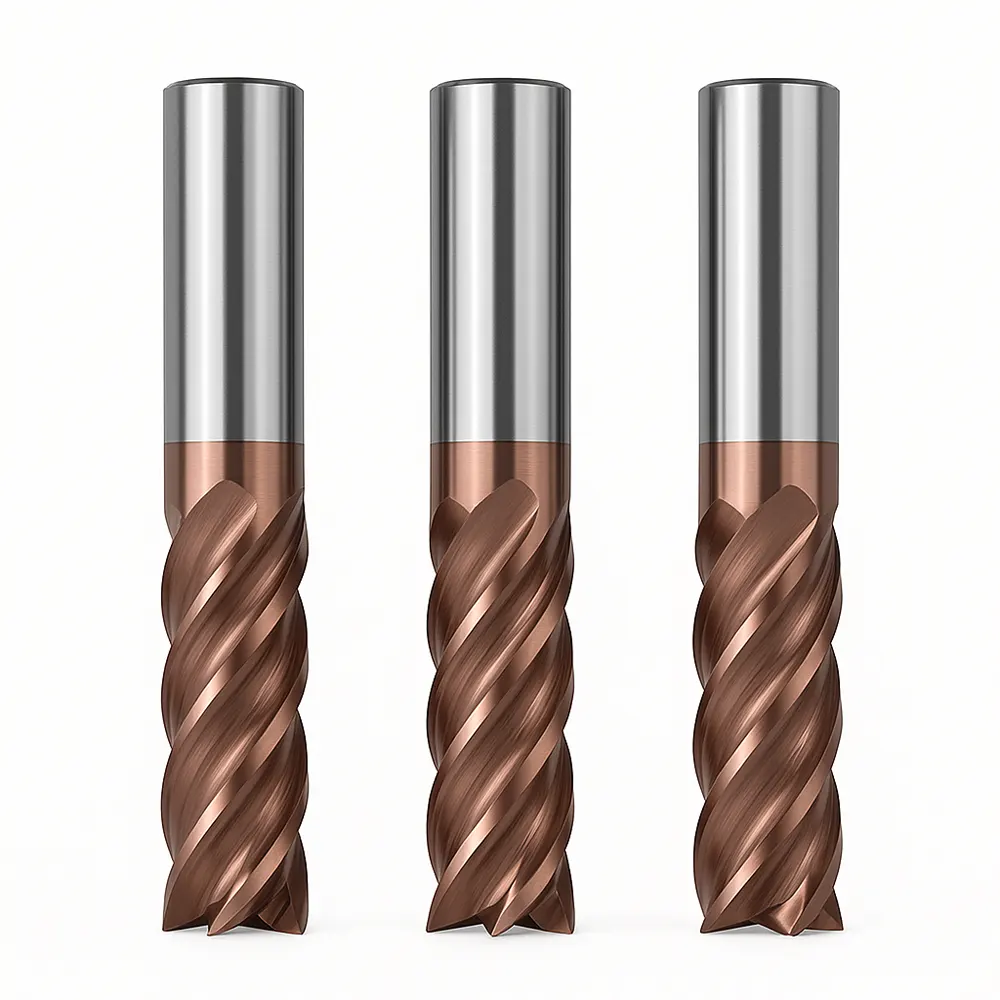
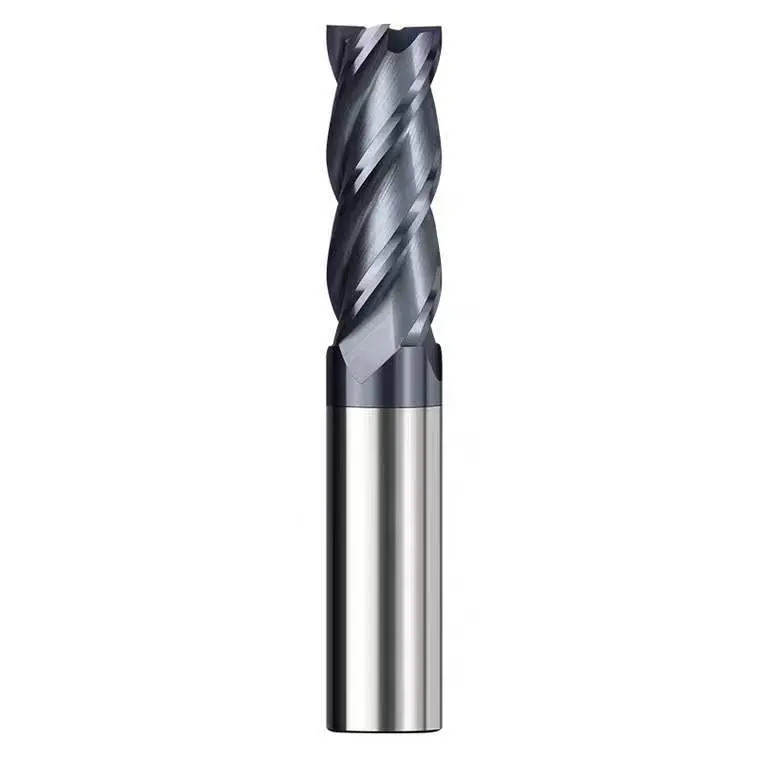


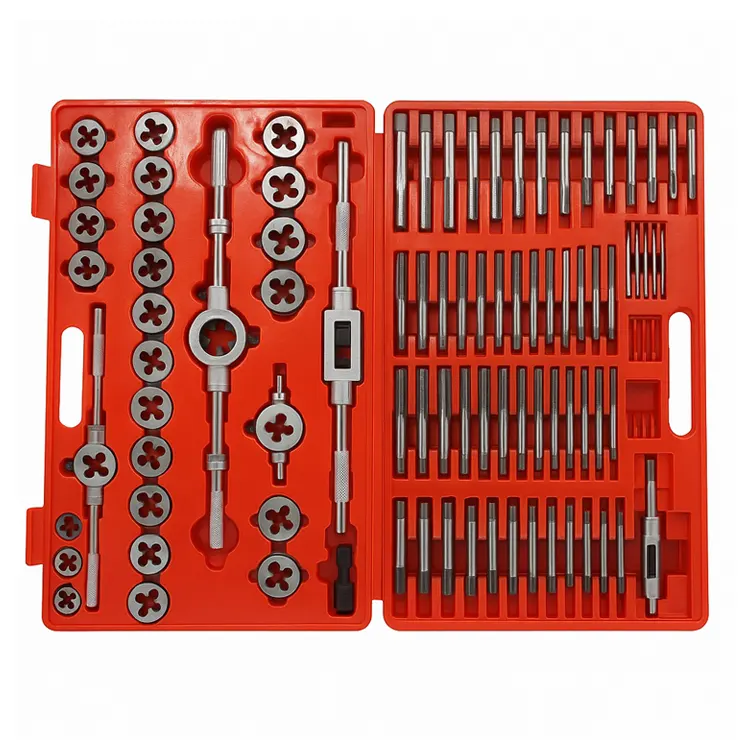
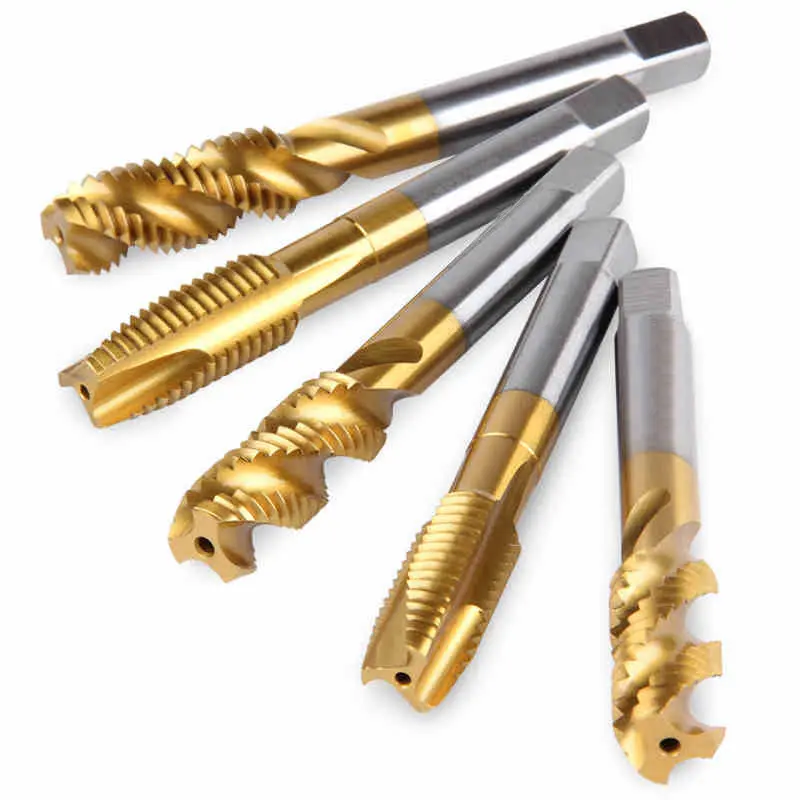
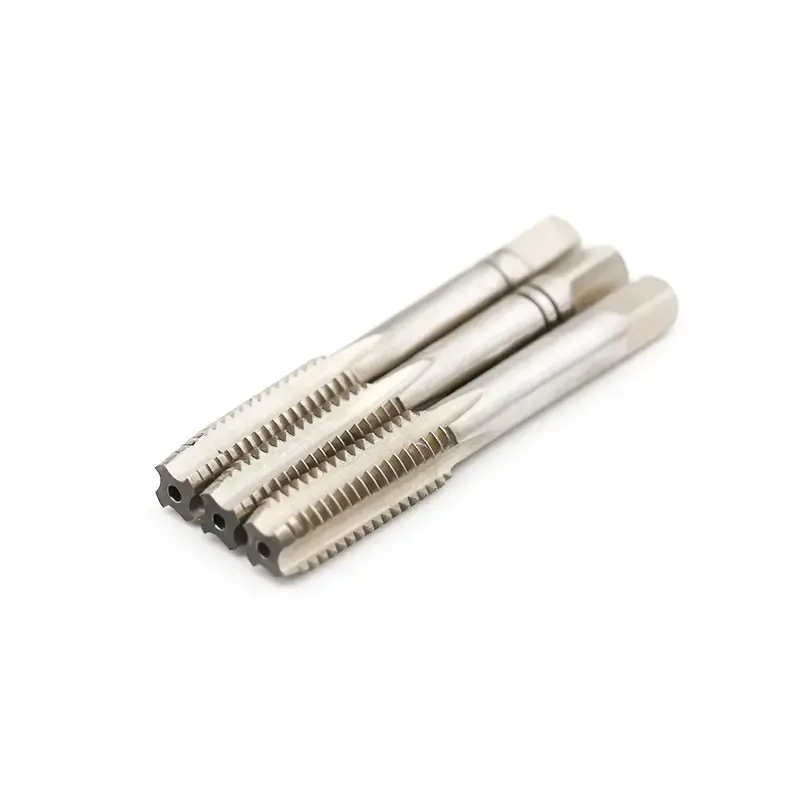


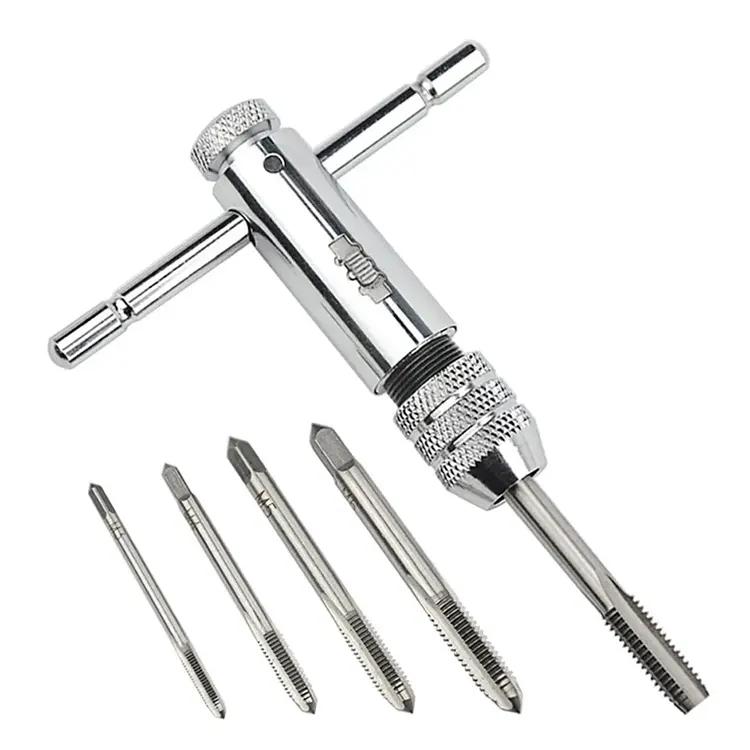
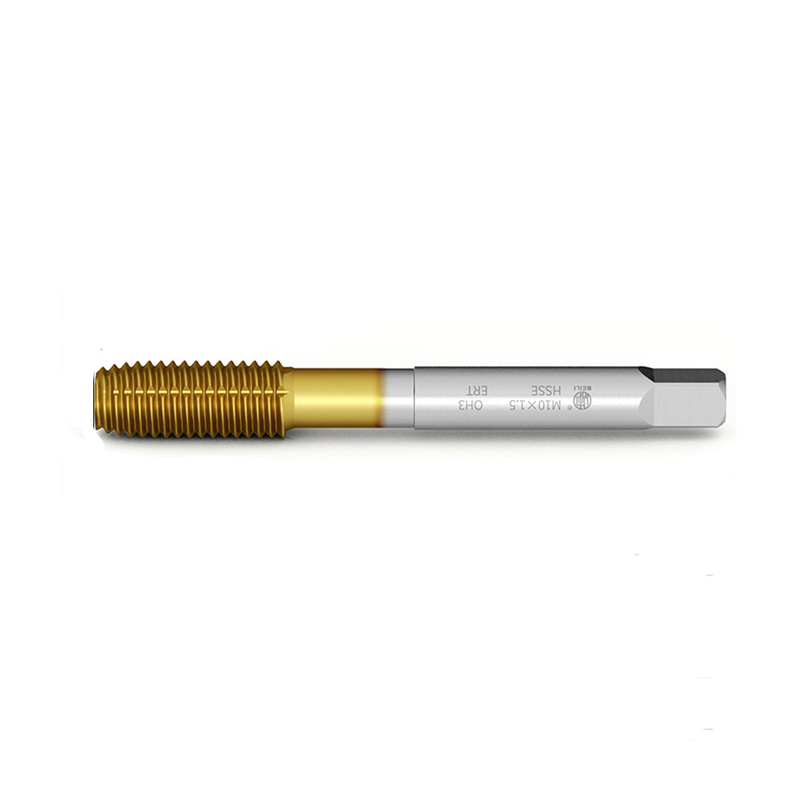
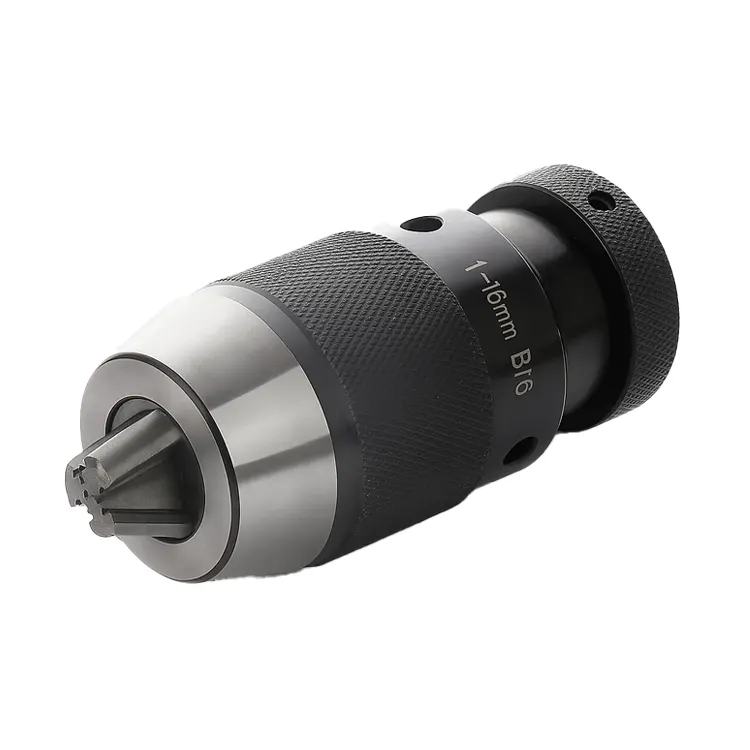
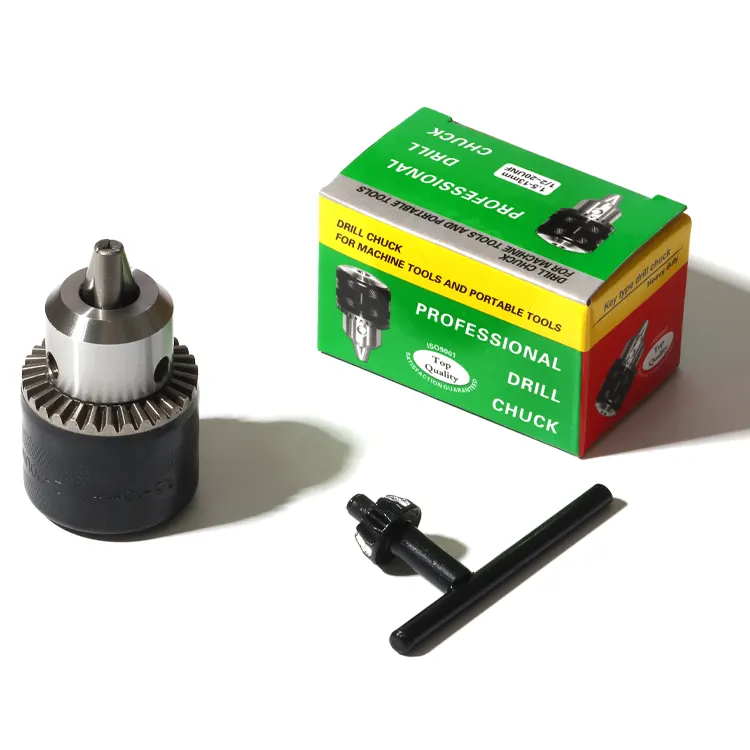


Forming Tap: High-Performance CNC & Threading Solutions
What is Forming Tap?
A forming tap is a type of forming that is used to cut internal threads by creating a plastic deformation on the workpiece. In contrast to cutting taps, which cut away the material, taps squeeze and stamp the material into shape. This will provide a stronger thread and less chance of micro-cracks or thread damage. The main benefits of the formation of taps are:
- High thread strength and life.
- Improved vibration and anti-loosening capability.
- Less chance of peeling or cracking material.
- Lower scrap and rework rates
- Environmentally and energy efficient because of the small chip formation.
Guide to Creating Taps: Accuracy, Productivity, and Industrial Uses
- Tread forming tap is a very important tool in the modern manufacturing industry, which is a fast sector that transforms the processing of materials in terms of thread. In contrast to conventional cutting taps, taps make their threads by shaping the material instead of eliminating it with controlled pressure to reduce the concentration of stress. This not only increases the strength of the thread but also minimizes the chances of cracking the material, and taps are an undeniable option in high-performance applications.
- Taps, also called thread taps, roll form taps, and spiral taps, find application in automotive and aerospace, and in metal fabrication workshops and CNC production lines. They are much appreciated by industrial engineers as well as professional machinists because of their capability to enhance the strength of their thread, minimize the reworking process, and streamline the production process.
Types of Forming Taps
Taps are available in a variety of designs to match a variety of materials and uses. The type of tap used is important to efficiency and thread quality.
- Spiral Forming Tap
Spiral taps have a helix shape, which aids in the flow of the material during the forming process. They suit through-holes perfectly and can evacuate chips very well, resulting in CNC and high-speed applications.
- Straight Flute Forming Tap
Straight flute taps are best used in blind holes and harder materials. They stabilize the thread formations and minimize the stress on the tap and workpiece.
- Tapers, Plugs, and Bottoming Taps
Taper taps are best suited to beginning threading in deep holes.
Plug taps offer standard threading at high efficiency.
Bottoming taps are constructed to cut complete threads to the bottom of blind holes.
HSS, Cobalt, and Carbide Forming Taps
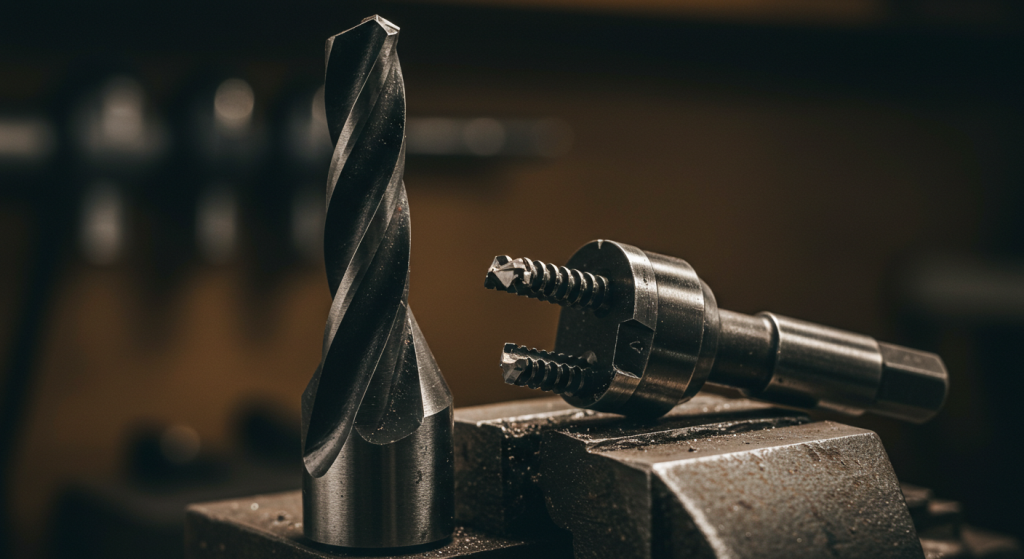
Choices of materials can influence durability, speed of cutting, and wear resistance:
- HSS taps are general-purpose in nature and economical in cost.
- Cobalt making taps is more heat-resistant and stronger with harder metals.
- Carbide taps are used in high-speed, high-precision CNC applications.
- TiN and TiCN are thin metallic layers that enhance hardness, decrease friction, and increase tool life.
- AlTiN and AlTiSiN coatings can improve stainless steel and aluminum performance.
The Choice of the Correct Forming Tap
The choice of the proper forming tap depends on several factors:
- Type of Material - Each type of material requires a particular tap: steel, aluminum, brass, copper, or stainless steel.
- Hole Type - Blind or through-holes determine the type of spiral or straight flute taps used.
- Thread Size & Pitch - Select a tap drill size chart to be certain in size and thread action.
- CNC vs Hand Operations - CNC taps are capable of faster speeds and precision, whereas manual taps are used on smaller-scale operations.
Coating Requirements Coatings such as TiN, TiCN, or AlTiN enhance performance under abrasive or high-speed conditions.
Forms of Tap in Industry
Taps are commonly employed in industries where thread strength and precision are points of concern:
- Automotive Component Threading: Engine blocks, hydraulic fittings, and metal chassis components.
- Aerospace Precision Threading: Aircraft, turbines, and aerospace fasteners.
- Hydraulic and Pneumatic Fittings: Provides leak-free and robust threads in fluid systems.
- Oil and Gas Pipeline Threading: Threads that are tough enough to resist pressure and vibration.
- Metal Fabrication Workshop Tools: To use in the threading production line and heavy machining.
These taps are best suited to high-speed CNC forming processes in which high-speed allows the efficient flow of materials, less wear and tear on tools, and uniform production quality.
Machine and Specification, and Machining
Taps are characterized by precision. Machinists must consider:
- Thread Pitch Measurement: Provides correct fit and engagement.
- Chamfer Length: Affects thread start and forming ease.
- Thread Depth Control: Prevents excessive material and tool wear.
- Thread Relief Angle: maximizes the material flow and minimizes friction.
- Cutting Edge Geometry: Provides a smoother cut and lowers stress on tools.
- Feed Rate & Cutting Speed: Important to CNC work to achieve efficiency and tool life.
- Lubrication: This is also necessary in order to facilitate the heat dispersion and flow of material during thread forming.
- Tool Maintenance: Maintenance and regrinding extend tap life and accuracy.
Advantages of Forming Taps.
- Fine Thread Strength - Threads that are formed through deformation are stronger as compared to cut threads.
- Less Risk of Thread Damage - Eradicates peeling, cracking, and burrs.
- Better Production Efficiency - Quick threading and less scraping.
- Green Operation - Reduced chips, less energy used.
- Versatility - Operations on metals such as steel, aluminum, brass, copper, and stainless steel.
Conclusion
Forming tap has revolutionized the way threading is done today by integrating strength, accuracy, and efficiency. The thread-forming capability ensures that there is less waste, their threads are more durable, and their production is also better. You may be working with HSS taps, cobalt alloy taps, or TiCN-coated high-performance taps, but, in either case, learning the thread forming techniques, the type of tap, and machining parameters will provide the best results. Industrial-scale taps, high-performance CNC processes, or production requirements, AccurateCut is still a reliable supplier of precision threading solutions.
