







How to Drill Cast Iron Without Tool Failure
Learning how to drill cast iron requires a different mindset than drilling standard steel. Many machinists ruin good drill bits because they treat cast iron like mild steel. This guide will stop you from making those expensive mistakes. We will cover the specific geometry, speeds, and “dry drilling” techniques required for success.
What is the best way to drill cast iron?
The best way to drill cast iron is to use a 118° or 135° point angle Cobalt (M42) or Carbide drill bit at low speeds with heavy feed pressure. Unlike steel, you should generally drill cast iron dry (without coolant) to prevent creating an abrasive slurry that wears down tooling.
Understanding the Material: Why is Cast Iron Different?
Cast iron is distinct because of its carbon content. Specifically, it contains graphite flakes. These flakes make the iron brittle but also self-lubricating.
If you try to drill it fast, you generate massive heat. If you add standard coolant, that graphite dust turns into a grinding paste. This paste eats the cutting edge of your tool. I learned this the hard way years ago when I dulled a brand new HSS set in minutes by flooding the cut.
To master this, you need to understand where cast iron fits in the broader spectrum of machining. For a deeper dive into how different metals react to tooling, check our material-based drilling guides.
The Three Golden Rules of Cast Iron
- Keep it Dry: Do not use oil or water-based coolants for grey cast iron.
- Keep it Slow: High RPMs will work harden the surface immediately.
- Keep it Moving: Constant feed pressure is vital. If the bit rubs, it dulls.
Which drill bits work best for cast iron?
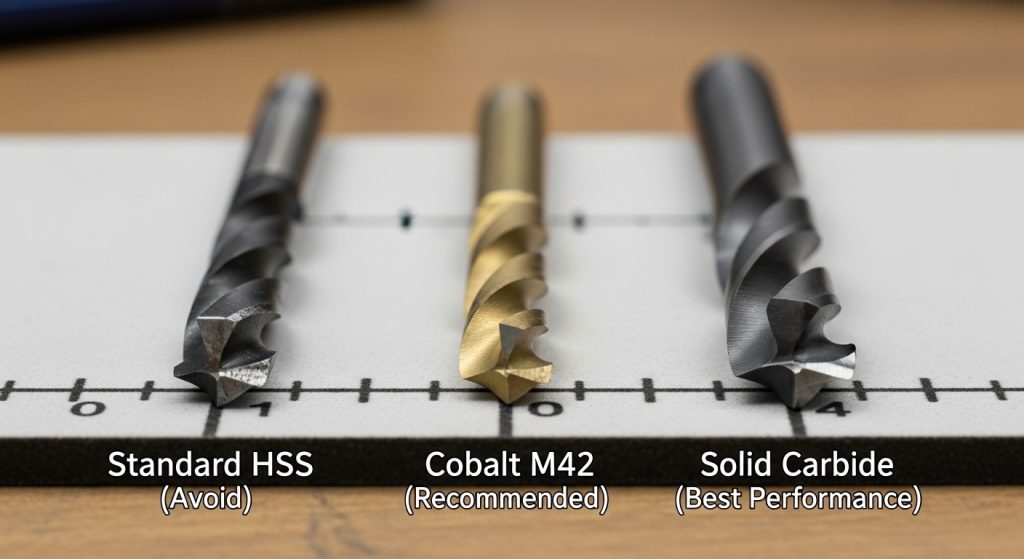
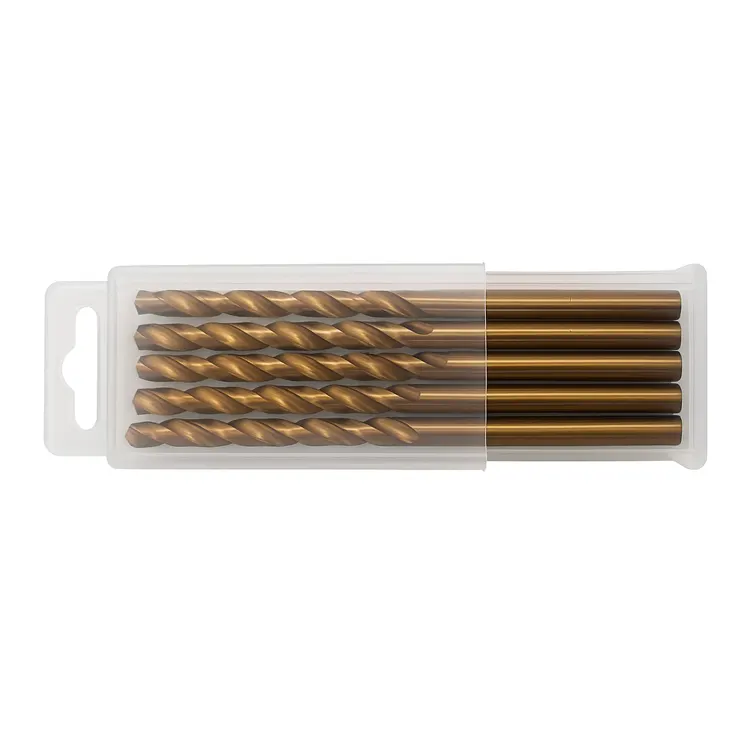
The best drill bits for cast iron are Solid Carbide or Cobalt (M42) bits. While High-Speed Steel (HSS) can work for a few holes, it loses its edge quickly against the abrasive iron skin. Carbide offers the highest heat resistance and edge retention, while Cobalt provides a durable middle ground.
Drill Bit Hierarchy for Cast Iron
| Drill Bit Material | Suitability | Cost | Durability | Notes |
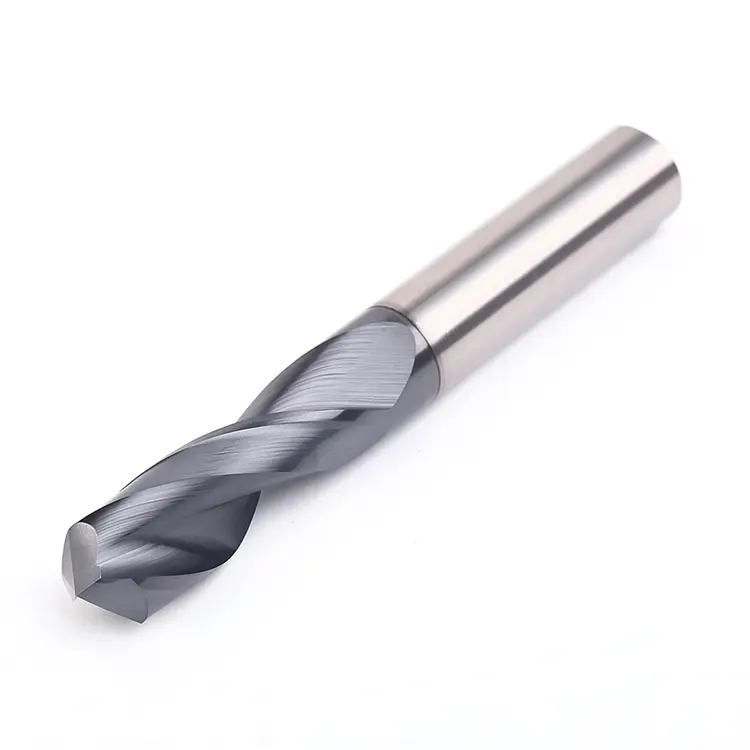
| Solid Carbide | Excellent | High | High | Best for production runs. Brittle if handled roughly. |
| Cobalt (M42) | Great | Medium | High | The best balance for DIY and job shops. |
| TiN Coated HSS | Good | Low | Medium | The coating helps, but once it wears, the HSS fails fast. |
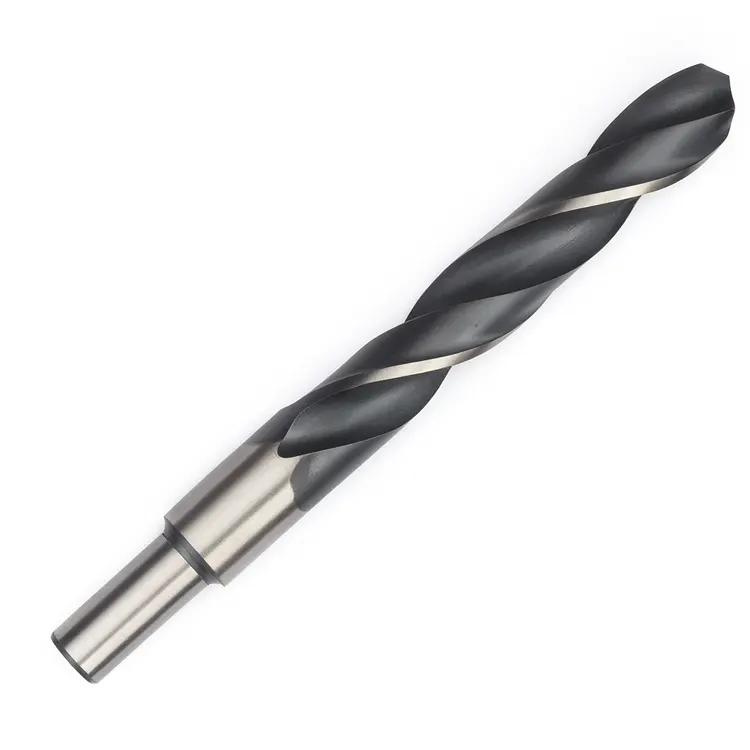
| Black Oxide HSS | Poor | Low | Low | Only use for 1 or 2 holes in an emergency. |
If you are coming from a background of working with softer metals, this hierarchy might surprise you. When you drill carbon steel, HSS is often forgiving. With cast iron, HSS is a liability.
Step-by-Step Guide: How to Drill Cast Iron
This process applies whether you are using a hand drill or a drill press. However, a drill press is always preferred for rigidity.
Step 1: Preparation and Safety
Safety Warning: Cast iron produces dust, not chips. This black dust goes everywhere.
- Respiratory Protection: Wear a quality N95 mask or respirator. You do not want iron dust in your lungs.
- Eye Protection: Sealed goggles are better than safety glasses here.
- Clean Up Strategy: Have a shop vac nozzle positioned near the cut before you start.
Step 2: Center Punching
Cast iron has a hard “skin” or casting scale. This outer layer is harder than the internal metal.
- Use a heavy center punch.
- Strike it firmly.
- You need a deep divot to prevent the drill from “walking” across the hard skin.
Step 3: Selecting Speed and Feed
This is where most people fail. They run the drill too fast.
Formula Rule of Thumb:
- SFM (Surface Feet per Minute): Aim for 70-90 SFM for Cobalt drills.
- Feed Rate: You need to be aggressive. 0.008″ to 0.012″ per revolution.
If you are used to working with harder alloys, you might compare this to drills for stainless steel. While stainless requires low speed to prevent work hardening, cast iron requires low speed to prevent abrasive wear.
Step 4: The Drilling Process (Dry)
- Engage the Work: Bring the bit down to the center punch mark.
- Apply Pressure: Lean into it. You need the chisel point of the drill to bite, not rub.
- Watch the Dust: You should see black/grey powder ejecting rapidly.
- Do Not Peck (Mostly): In steel, we “peck” to break chips. In cast iron, since it makes powder, you don’t need to peck often. Only retract if the flutes get clogged with dust.
- Break Through: As you near the bottom, reduce pressure slightly. Cast iron is brittle and will “blow out” or fracture at the exit hole if you push too hard at the very end.
Should you use cutting oil on cast iron?
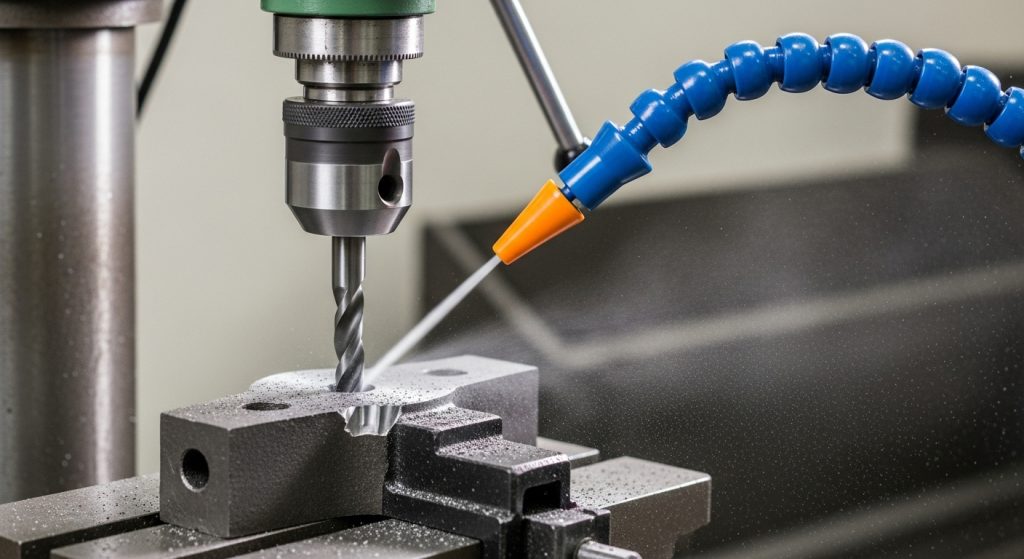
No, you should generally not use cutting oil on grey cast iron. The oil mixes with iron dust to form an abrasive lapping compound that dulls the drill bit. Compressed air is the preferred method for cooling the tool and clearing chips during the drilling process.
The “Air Coolant” Technique
Instead of liquid coolant, rig up an air nozzle. Aim it directly at the hole.
- Benefit 1: It blows the abrasive dust away from the cutting edge.
- Benefit 2: It keeps the drill bit cool enough to preserve temper.
- Benefit 3: No messy sludge to clean up later.
Note: There are specific synthetic coolants designed for production cast iron machining, but for general shops and DIY, dry air is superior.
Troubleshooting Common Issues
Even with the best setup, things go wrong. Here is how to fix them.
1. The Drill is Screeching
- Cause: The RPM is too high, or the bit is dull.
- Fix: Stop immediately. Check the bit sharpness. If sharp, reduce speed by 50% and increase downward pressure.
2. The Bit Won’t Bite (Glazing)
- Cause: You let the bit rub against the hard outer skin without cutting.
- Fix: You may have work-hardened the spot. Try using a smaller pilot drill to break through the skin, or switch to a Carbide drill to penetrate the hard layer.
3. The Exit Hole is Ragged
- Cause: Too much pressure at the break-through point.
- Fix: “Back off” the pressure the moment you feel the drill starting to exit the material. Use a sacrificial piece of wood under the cast iron to support the exit.
Frequently Asked Questions
Can I use a masonry bit for cast iron?
Technically, yes, if it is a carbide-tipped masonry bit and you resharpen the cutting angle to a standard metal cutting geometry. However, “out of the box” masonry bits have a dull, negative rake angle intended for crushing concrete, not cutting metal. It is not recommended.
How do I drill through the “hard skin”?
The outer casting skin can be very tough. If your drill skids, use an angle grinder to lightly grind away the top millimeter of the surface where you plan to drill. This exposes the softer grey iron underneath.
Is cast iron harder than steel?
Cast iron is generally more brittle, but not necessarily “harder” in terms of Rockwell C scale compared to hardened steels. However, the abrasiveness of cast iron makes it tougher on tools than mild carbon steel.
Next Steps for Your Workshop
Now that you know how to drill cast iron without destroying your tools, it is time to check your inventory. Ensure you have a dedicated set of Cobalt bits kept separate for these iron jobs.
If you are expanding your fabrication knowledge, ensure you read our guide on how to drill carbon steel to understand the key differences in chip formation and coolant usage.
