







How to Drill Hardened Materials Safely: The Definitive Guide
Learning how to drill hardened materials is a challenge that tests even the most experienced machinists and DIYers. If you rush, you will shatter expensive tooling. If you hesitate, the metal work-hardens, becoming nearly impenetrable.
I remember my first time trying to drill a broken bolt out of an engine block. I used a standard high-speed steel (HSS) bit. It spun, smoked, and turned blue within three seconds. The bolt didn’t even get a scratch. That was my lesson in the Rockwell C (HRC) scale: you cannot cut what is harder than your tool.
This guide covers everything from selecting the right carbide tooling to mastering feed rates, ensuring you get a clean hole every time without injury or frustration.
What Makes Drilling Hardened Steel So Difficult?
Hardened steel resists penetration because its heat-treated crystalline structure creates high abrasion and heat, often exceeding 50 HRC. Standard bits cannot cut this material; they simply rub against the surface, generating friction that ruins the bit’s temper. Successful drilling require harder tooling materials—specifically carbide or cobalt—and a rigid setup to prevent shattering.
Understanding the Material
When we talk about “hardened materials,” we aren’t just talking about generic steel. We are usually referencing:
- Hardened Tool Steel (D2, A2): Often used in dies and molds.
- Case-Hardened Shafts: Soft core, glass-hard outer shell.
- Broken Taps and Bolts: Often hardened from heat cycling or manufacturing.
- Armor Plate (AR500): Designed specifically to resist penetration.
If you treat these like mild steel, you will fail. The physics are different here. In standard drilling, the tool shears the metal. In hardened drilling, the tool is essentially grinding its way through under immense pressure.
Expert Note: If a file slides over the metal without biting, the hardness is likely over 55 HRC. You strictly need solid carbide here.
What Are the Best Drill Bits for Hardened Steel?
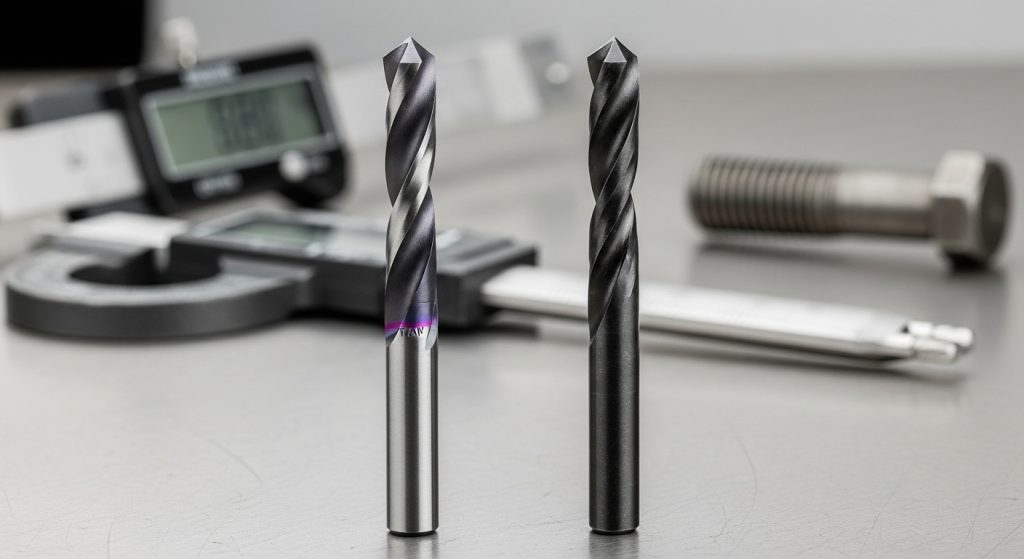
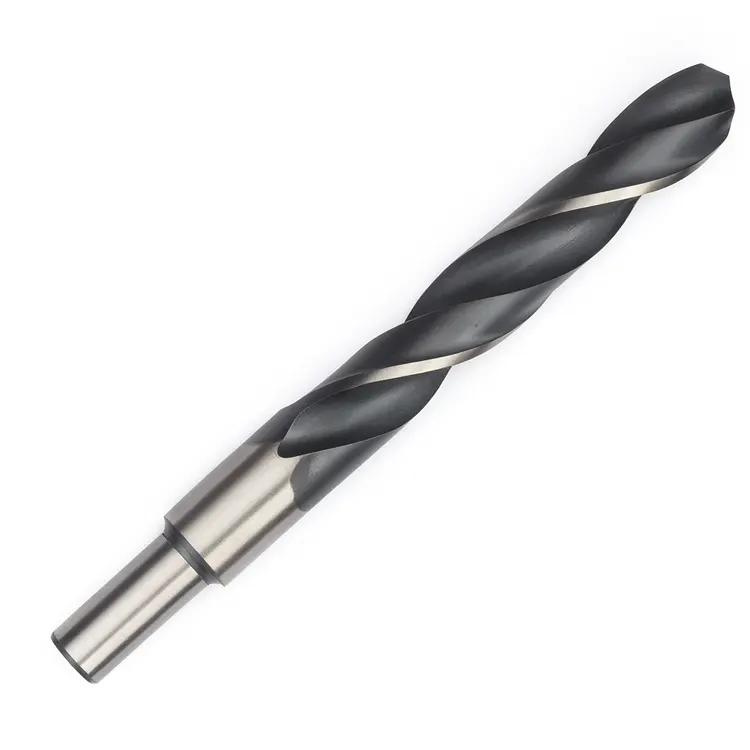
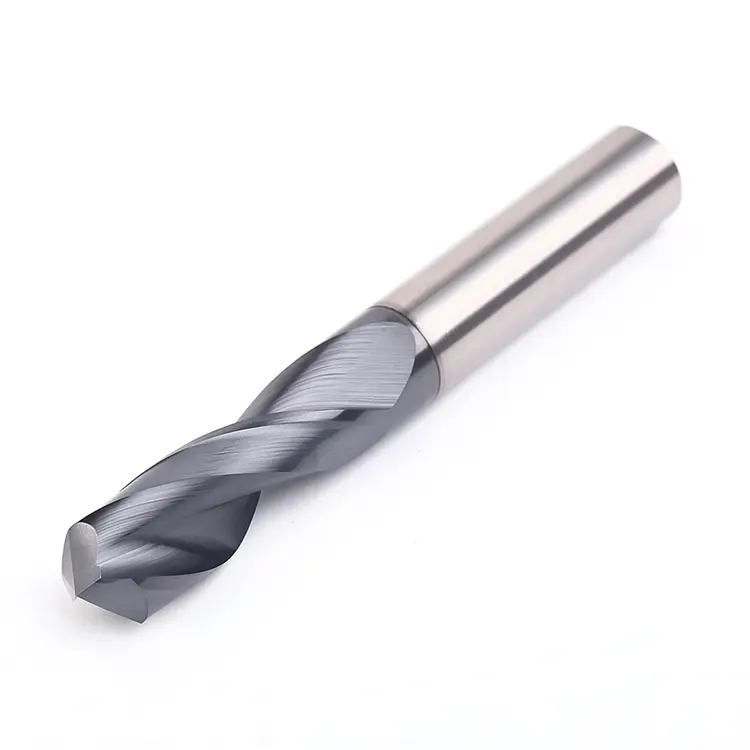
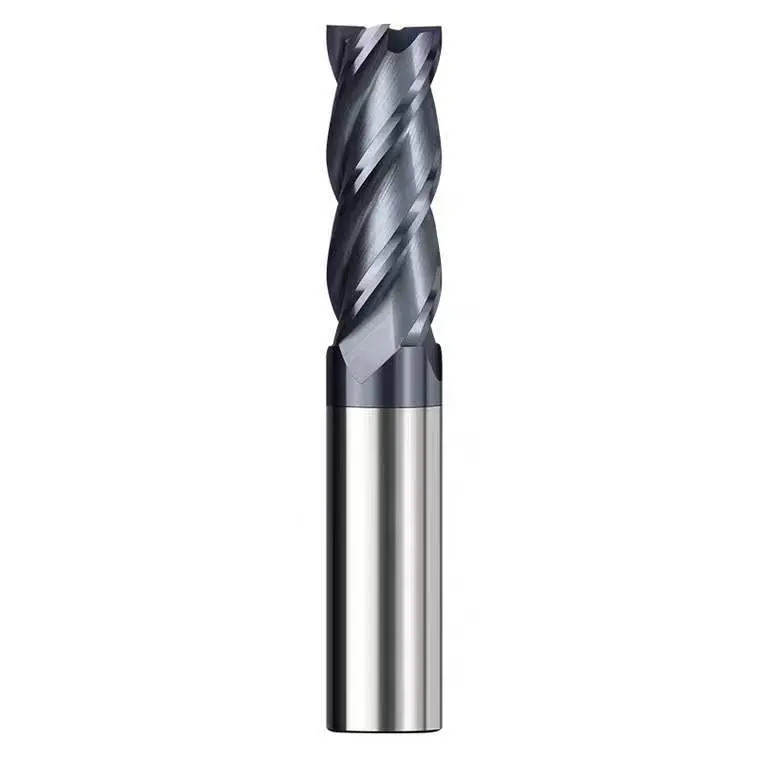
Solid carbide drills are the gold standard for hardened materials due to their extreme hardness and heat resistance. For handheld applications where carbide might shatter, Cobalt (M35 or M42) bits are the safe alternative. Never use standard black oxide or bright finish HSS bits, as they are softer than the material you are drilling.
Tooling Hierarchy
Choosing the wrong tool is the #1 reason for failure. Here is the hierarchy of effectiveness:
| Drill Material | Hardness Rating | Best Use Case | Cost |
| Solid Carbide | 9/10 | Materials 50-70 HRC. CNC or Drill Press only. | $$$$ |
| Carbide Tipped | 8/10 | Materials 45-60 HRC. Larger holes. | $$$ |
| Cobalt (M42) | 7/10 | Materials up to 50 HRC. Handheld drilling. | $$ |
| HSS (Standard) | 4/10 | Do not use. Will burn immediately. | $ |
Why Not Always Use Carbide?
Carbide is incredibly hard, but it is also brittle. If you are using a hand drill, the slight wobble of your wrist will snap a carbide bit instantly. For hand-drilling, stick to M42 Cobalt. It has 8% cobalt content, giving it red-hardness (resistance to heat) while retaining some flexibility.
For a deeper dive into tooling selection, check out our Material Based Drilling Guides. It breaks down the physics of different alloys.
What Speed and Feed Should You Use?
Drilling hardened materials requires low RPM (Speed) and high pressure (Feed) to prevent work-hardening. A general rule of thumb is to reduce standard drilling speeds by 50-75%. You must maintain constant, heavy pressure to keep the cutting edge engaged beneath the material’s surface, ensuring a chip is always being formed.
The “Singing” Drill Bit
If your drill is screaming or squealing, you are rubbing, not cutting.
- Rubbing = Heat. Heat work-hardens the spot you are drilling.
- Cutting = Chips. Chips carry the heat away from the hole.
Calculated Adjustments
You cannot guess the RPM here.
- Start Slow: For a 1/4″ carbide bit in 50 HRC steel, start around 700-1000 RPM.
- Heavy Hand: If using a drill press, lean into it. You need to penetrate the “skin.”
- Continuous Feed: Do not peck-drill (stopping and starting) unless necessary for chip clearing. Every time you stop, the bottom of the hole creates a hard glaze.
If you are transitioning from softer metals, the difference in feed rate is jarring. Compare this process to our guide on How to Drill Carbon Steel with Indexable Tools, where speeds are much higher and the material is more forgiving.
Step-by-Step: How to Drill Hardened Metal Safely
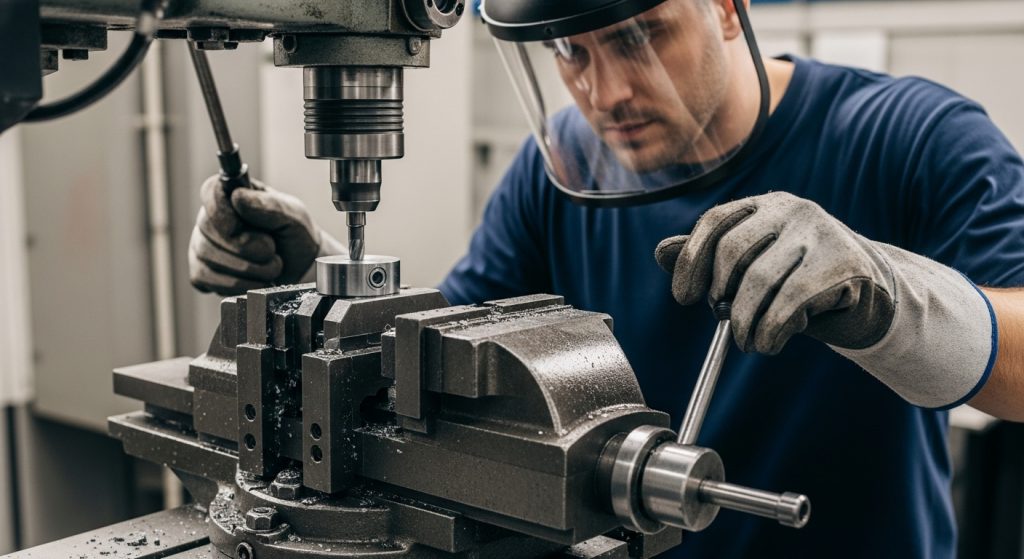
To drill hardened metal safely, secure the workpiece rigidly, use a carbide spot drill to create a pilot, and apply consistent coolant. Wear full face protection, as hardened chips are razor-sharp and hot. Drill with steady pressure, avoiding dwell, and peck only if chips become impacted in the flutes.
1. Rigid Setup is Non-Negotiable
Clamp the piece down. If the workpiece vibrates, the carbide cutting edges will chip.
- Use a drill press vise.
- Ensure the table is locked.
- Minimize the tool stick-out (keep the drill bit short) to reduce flex.
2. Break the Surface (Spot Drilling)
A standard twist drill will “walk” on hardened surfaces.
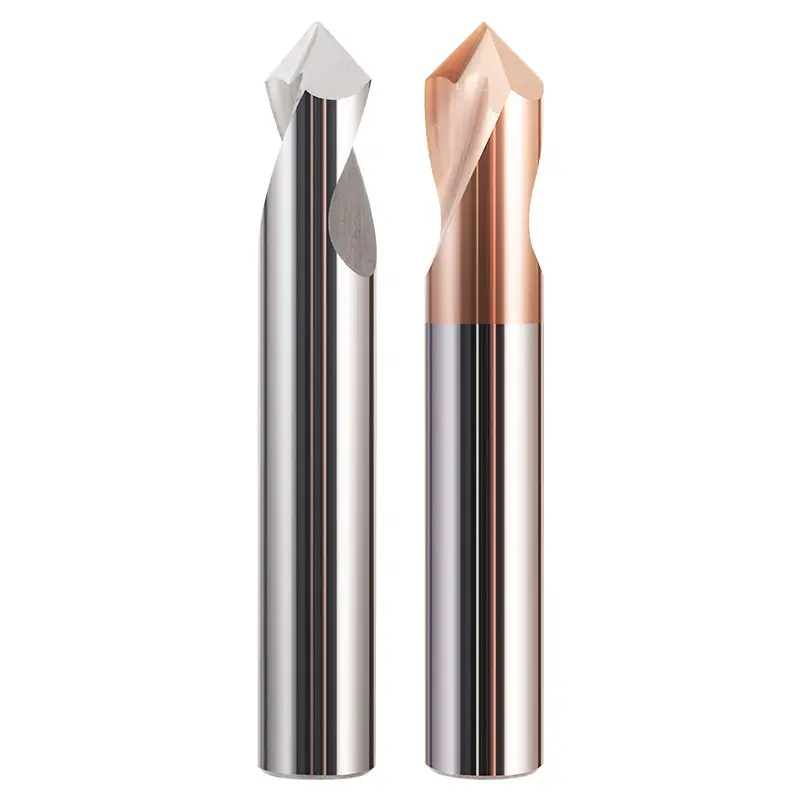
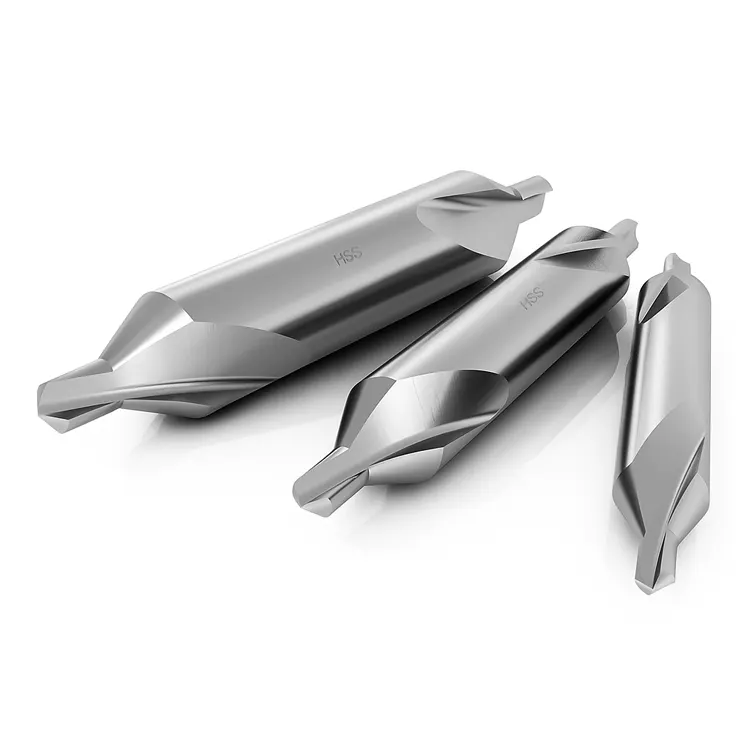
- Use a Carbide Spot Drill or a Center Drill first.
- This creates a divot that guides the main drill.
- Without this, your expensive drill bit will wander and snap.
3. Heat Management (Coolant Strategy)
Heat is the enemy. In Stainless Steel Drilling, heat leads to work-hardening. The same applies here, but faster.
- Flood Coolant: The best option. Keeps the tool cold.
- Air Blast: Good for clearing chips if using a coated carbide tool that handles high heat (like TiAlN).
- Oil/Paste: Acceptable for slow, low-RPM operations (like using Cobalt).
4. The Drilling Action
Apply pressure before turning on the spindle if possible, or engage immediately.
- Listen: You want a low crunching sound, not a high-pitched whine.
- Watch: The chips should be straw-colored or blue (indicating heat is leaving with the chip).
- Do Not Dwell: If you stop moving forward, pull the bit out completely. Never let it spin in the hole without cutting.
How Do You Handle Work-Hardened Materials?
If a material has work-hardened, you must switch to a smaller, harder tool (like a masonry bit or solid carbide) to break through the glazed surface. Lower the RPM further and increase pressure significantly. Sometimes, annealing the spot with a torch to soften it is required before attempting to drill again.
The “Glaze” Nightmare
It happens to the best of us. You hesitated, the bit rubbed, and now there is a shiny, impenetrable spot at the bottom of the hole.
- Option A: The Punch Method. Sometimes hitting the spot with a center punch can shatter the glass-hard surface layer.
- Option B: Grind it Out. Use a small die-grinder with a carbide burr to grind through the hard layer, then resume drilling.
This is a common issue when dealing with materials that have distinct “skin” issues. It’s somewhat similar to the challenges discussed in our guide on How to Drill Cast Iron, where surface inclusions can destroy tooling.
Safety Protocols: Protecting Yourself and Your Tools
Drilling hardened materials generates hot, needle-like chips and carries a high risk of tool explosion. Always wear a full face shield (not just glasses) and long sleeves to protect against hot ejecta. Never hold the workpiece by hand; the torque required to cut hardened steel will spin the part and cause severe injury if the bit grabs.
Specific Hazards
- Shattering Carbide: When carbide fails, it doesn’t bend; it explodes like glass.
- Razor Chips: The chips from hardened steel are rigid and sharp. Do not clear them with your bare hands. Use a brush or magnet.
- Heat Buildup: The workpiece will get incredibly hot. Do not touch it immediately after drilling.
Tool Maintenance
Check your split point before every hole. A dull drill requires more pressure, which increases heat, which increases hardness. It is a vicious cycle. If you are working with advanced setups, consider reading about Inserts for Alloy Steel, which offer replaceable tips to save money on long production runs.
Troubleshooting Common Issues
Problem: The Drill Bit Chipped Immediately
- Cause: Too much vibration or entry speed was too fast.
- Fix: Check work holding. Reduce entry feed rate by 50% until the drill creates a full diameter cut.
Problem: The Bit is Turning Blue
- Cause: RPM is too high, or you aren’t applying enough pressure.
- Fix: Slow down. Push harder. Add coolant.
Problem: The Drill Squeals and Won’t Cut
- Cause: The material has work-hardened, or the bit is dull.
- Fix: Swap to a sharp bit. Try a slightly different diameter to cut fresh metal.
Conclusion
Drilling hardened materials is less about brute force and more about strict adherence to the laws of physics. You need the right rock (Carbide) to crush the hard place (Steel).
By securing your workpiece, choosing the correct tooling, and committing to aggressive feed rates, you can drill clean, precise holes in even the toughest alloys.
Key Takeaways:
- Identify Hardness: Test with a file first.
- Tool Selection: Use Solid Carbide or Cobalt (M42).
- Setup: Rigidity is king. No vibration.
- Action: Low Speed, High Feed, Don’t Dwell.
Whether you are fixing a die set or extracting a snapped bolt, patience in setup leads to speed in execution.
