








News
View the latest news for innovative products & company events.

Buying drill inserts seems like a straightforward task—find the part number, check the price, and click order. However, experienced manufacturing engineers know that the insert is the single most critical variable in the hole-making process. A mismatch between the insert grade and the application doesn’t just result in poor tool life; it often leads to ... Read more

Finding the right insert for alloy steel is the single most critical factor in reducing cycle time and preventing catastrophic tool failure. If you choose the wrong grade or geometry, you aren’t just losing money on tooling; you are sacrificing machine uptime. Alloy steels (ISO P) present unique challenges due to their high tensile strength ... Read more

Learning how to drill cast iron requires a different mindset than drilling standard steel. Many machinists ruin good drill bits because they treat cast iron like mild steel. This guide will stop you from making those expensive mistakes. We will cover the specific geometry, speeds, and “dry drilling” techniques required for success. What is the ... Read more

Drilling stainless steel can feel like a nightmare if you rush it. One moment you are cutting, and the next, the metal screeches. The bit smokes. The hole turns blue. You have just encountered “work hardening,” and your drill bit is likely ruined. To drill stainless effectively, you need high heat resistance and specific geometry. ... Read more
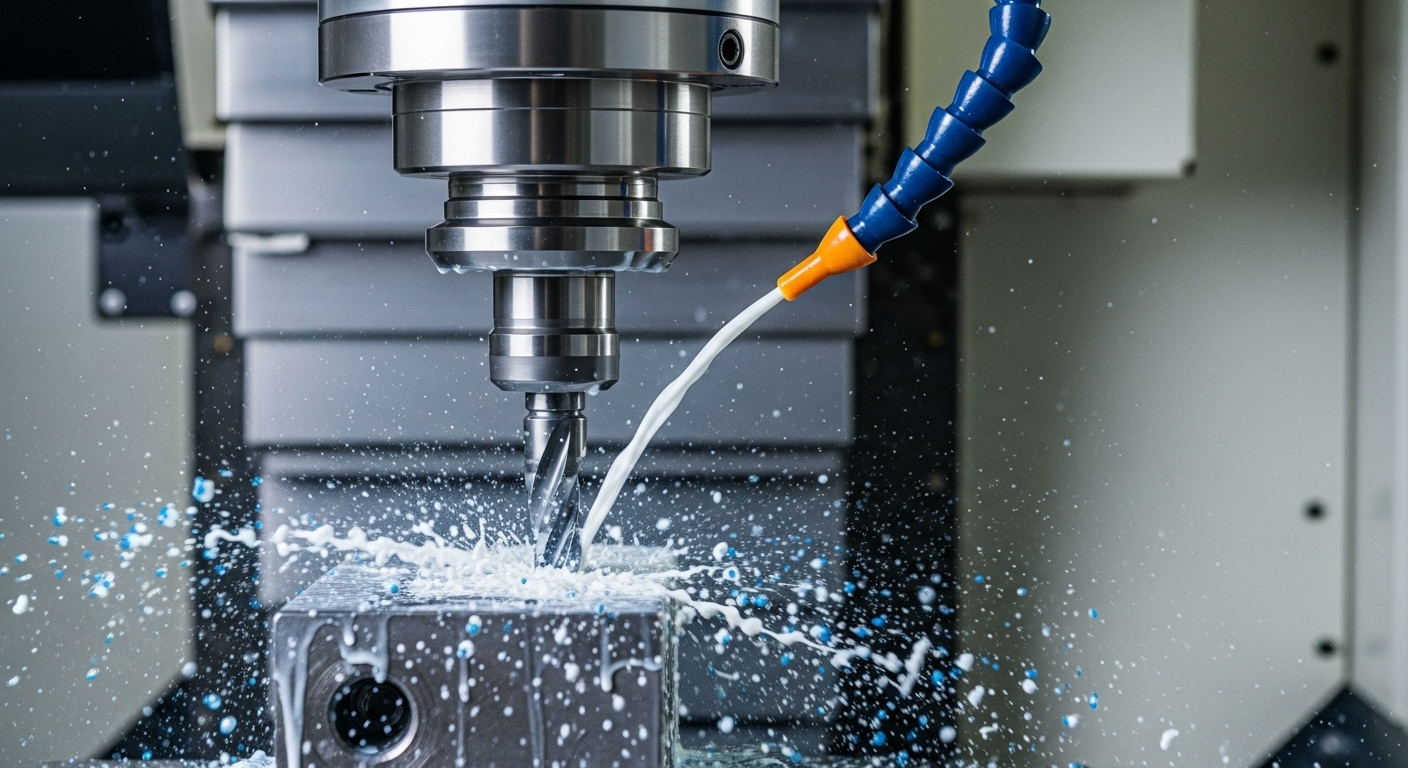
Mastering your feed rate setup is the single most critical factor in maximizing the lifespan of indexable drills. If you run too slow, you rub the inserts and work-harden the material; run too fast, and you risk catastrophic insert failure. This guide cuts through the noise to give you the practical, shop-floor reality of dialing ... Read more
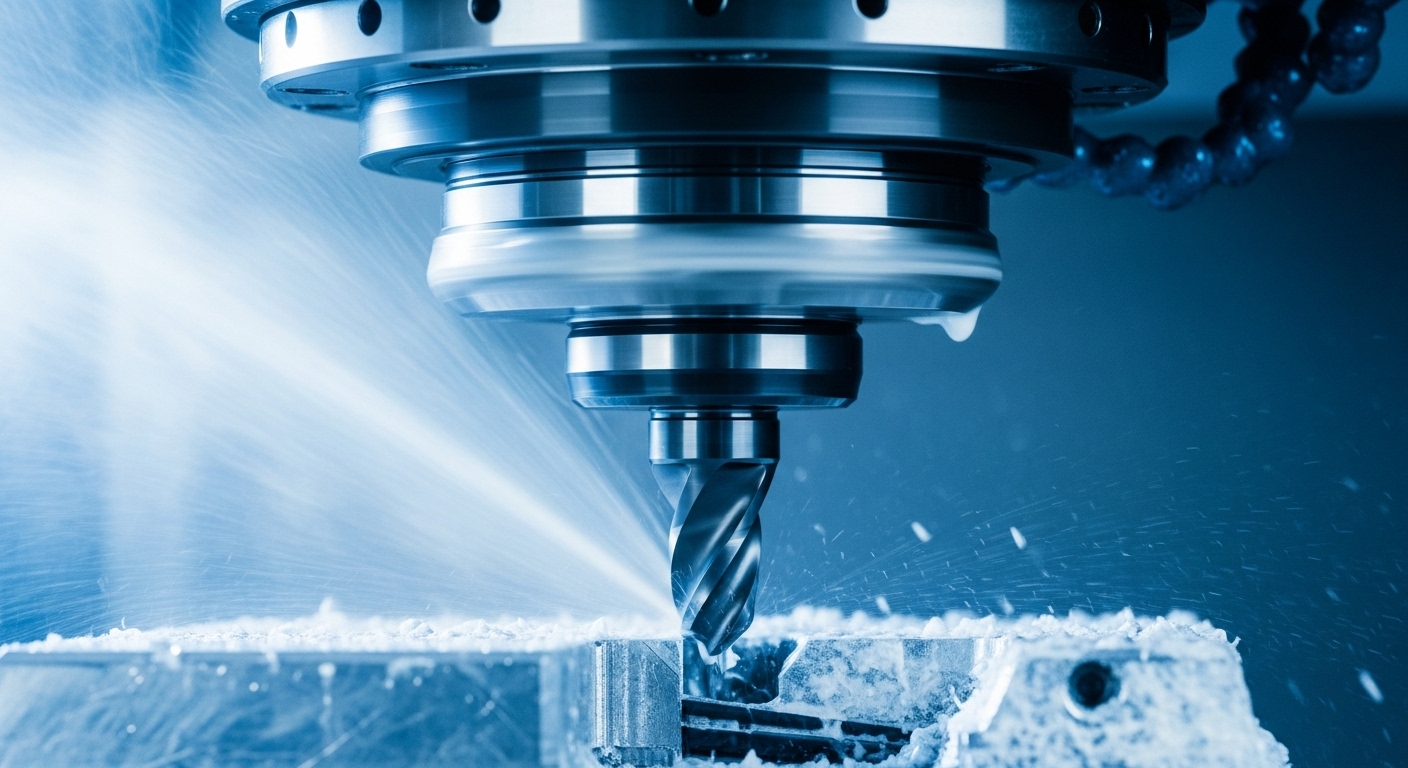
If you run a job shop or manage a production floor, you know the sound of silence is the most expensive noise in the world. When the spindle isn’t turning, you aren’t making money. Most machinists and shop owners obsess over “speeds and feeds.” They want to know if they can push an endmill 10% ... Read more
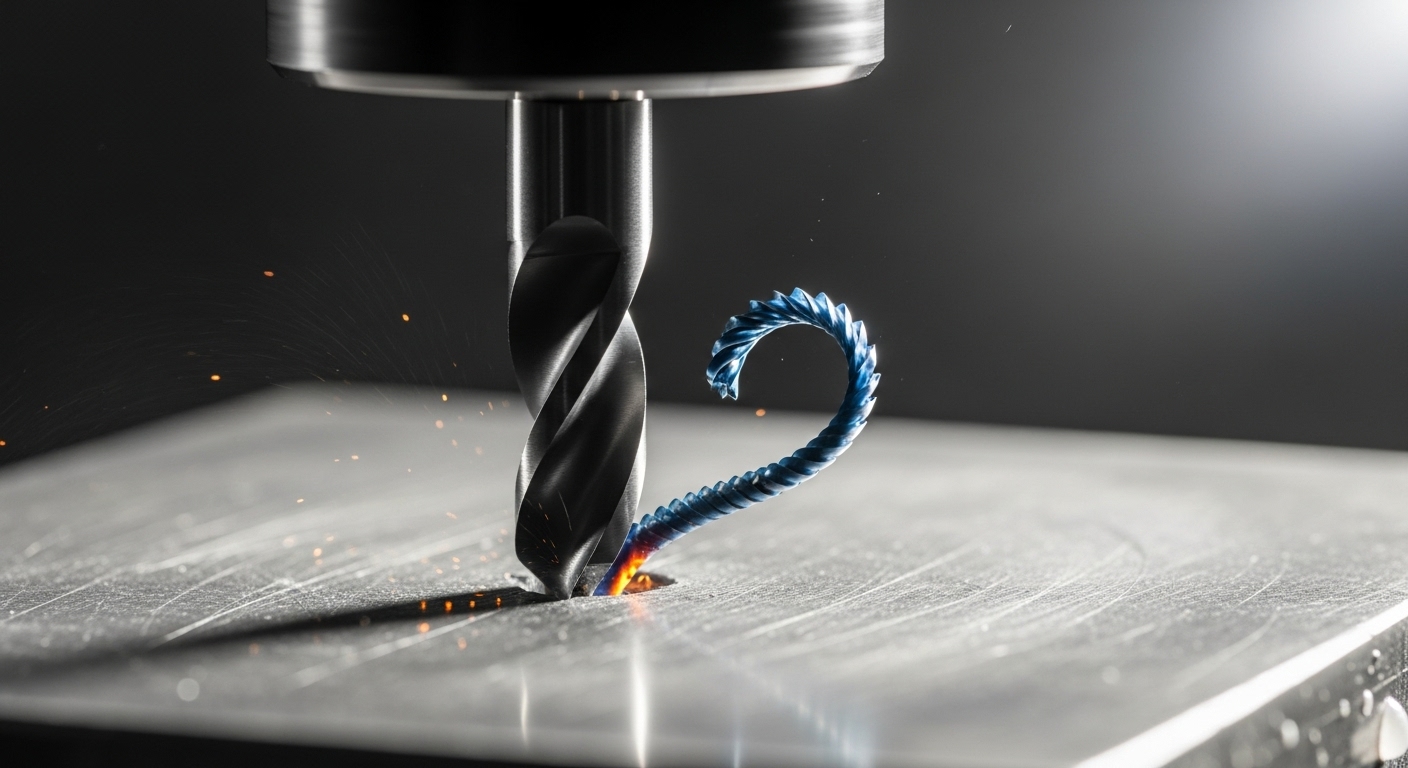
The most expensive sound in a machine shop isn’t the crash of a spindle—it’s the silence of a scrapped part sitting in the bin. In our experience at Accurate Cut, the most common cause of part failure during secondary processing isn’t a lack of machine capability. It is the mismatch between drilling parameters and material ... Read more

Is chip packing causing tool breakage? Learn to optimize coolant pressure, adjust feed rates for chip breaking, and prevent flute clogging. Expert guide. Chip packing is a silent killer in deep-hole drilling. Unlike chatter, which you can hear immediately, packing often happens silently inside the hole until the moment of failure. You might see a ... Read more

Is rough hole finish causing scrapped parts? Learn to distinguish between chatter, feed marks, and smearing. Expert diagnostic guide from Accurate Cut. A hole is rarely just empty space; in precision manufacturing, it is a functional feature. Whether it acts as a hydraulic port, a bearing seat, or a clearance hole for a fastener, the ... Read more


