







Indexable Face Mill | Precision CNC Milling Tool
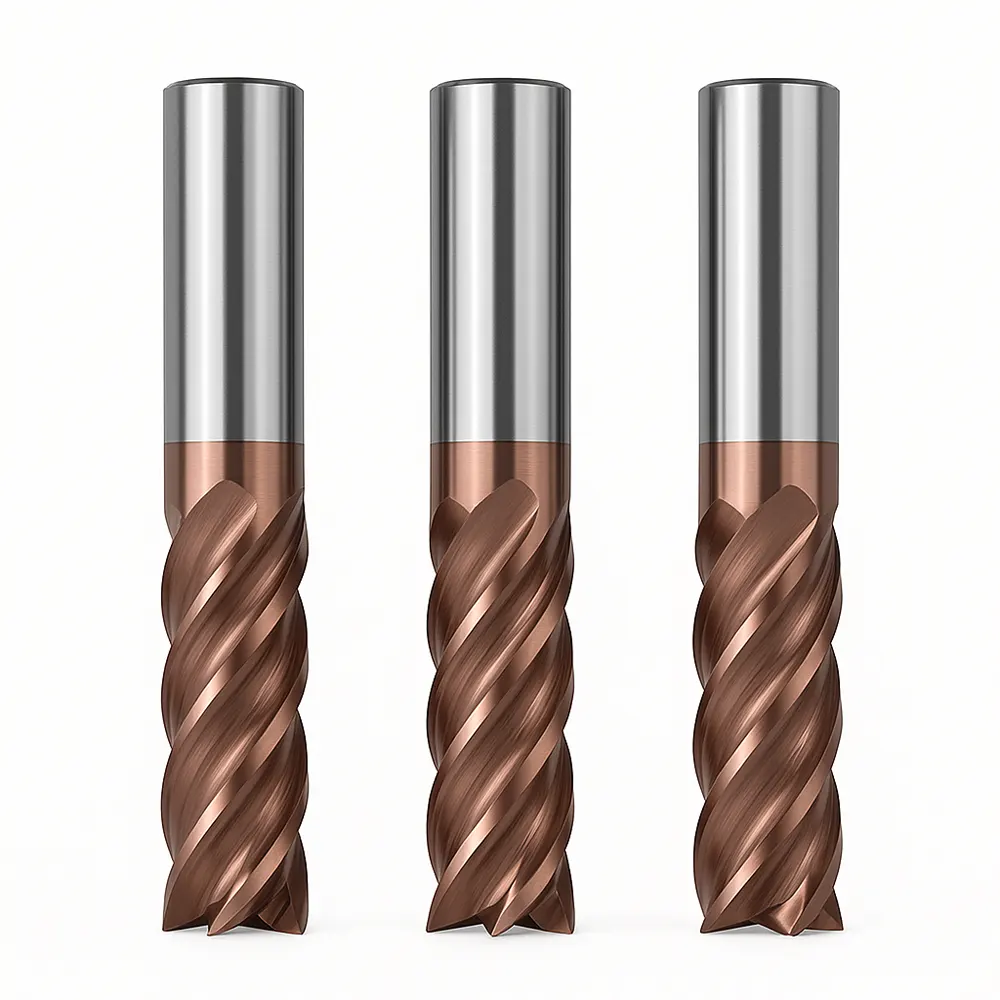
What is an Indexable Face Mill?
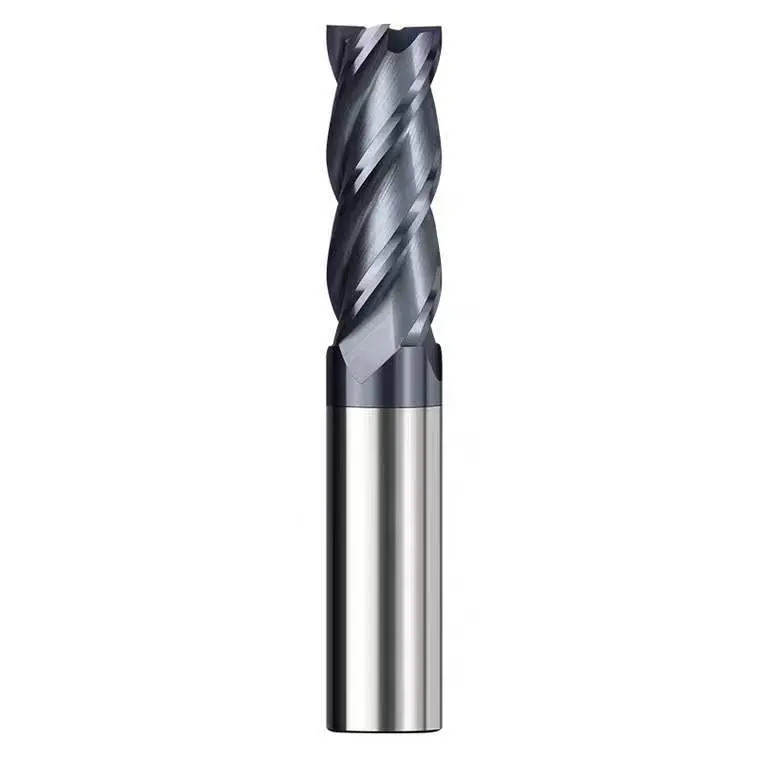
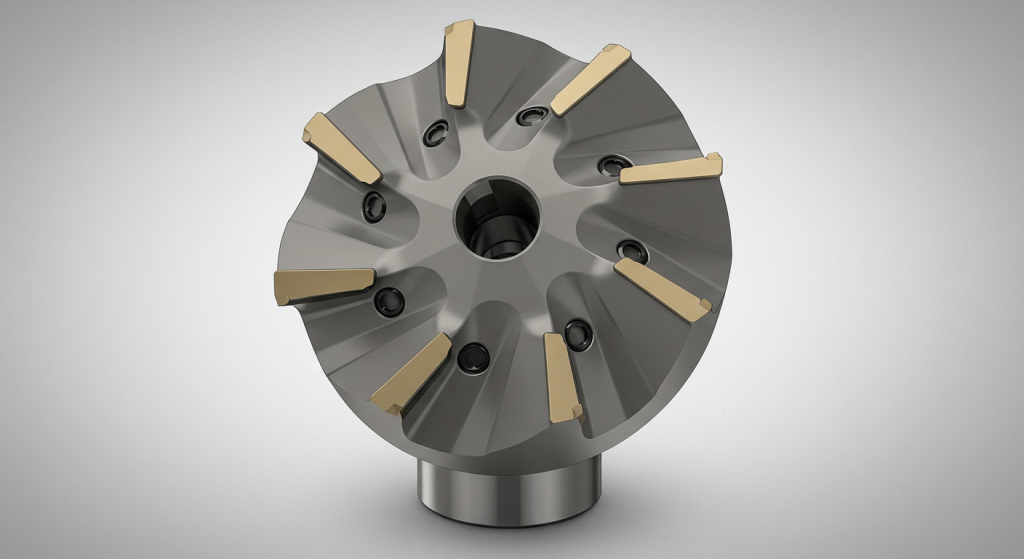
A face mill is an indexable face mill cutter with replaceable carbide inserts that can be changed either by replacing a worn edge of the tool or replacing the tool itself. This modular construction saves time, ensures less waste, and does not affect cutting performance at the expense of accuracy.
When compared to the solid carbide face mills, which have to be replaced after wear, an indexable milling cutter has indexable inserts that can be rotated or replaced, providing long-lasting value and maintaining machining quality.
Major Elements of an Indexable Face Milling Cutter
The indexable face mill cutter is a precision-engineered tool, structured to have a few key cutter points:
Indexable Inserts: Indexable inserts are replaceable cutting tips, commonly of tungsten carbide or coated carbide, which do the cutting.
Tool Body: The primary structure or arbor in which inserts fit and which is attached to the spindle.
Insert Pockets: Accurately machined seats with proper position of insert and a stationary cut.
Tool Holder Compatibility: The Holder is compatible with CNC machining centers and manual milling machines.
Chip Evacuation System: Flutes or lines that are designed to carry chips off the work surface to allow the chips to escape clogging and heat buildup.
The Reason to Select a Carbide Indexable Face Mill?
- The staple of precision machining is a carbide indexable face mill. The carbide material provides high hardness, heat resistance, and wear resistance, enabling machinists to cut at higher cutting speeds and feed rates.
- Carbide mills can cut harder alloys, maintain higher temperatures, and create smoother surface finishes when compared to standard high-speed steel (HSS) cutters.
- They are extensively applied as tools in CNC machining, in the production of aerospace components, in milling automotive parts, and in the production and use of molds and dies, where tolerance, surface quality, and reliability are not negotiable.
Applications
These face mills are multi-purpose and flexible to a variety of industrial applications, including:
Lightweight Machining and High-Speed Machining: Face Milling of Aluminum Alloy is preferred.
Face Mill to Cast Iron Machining: It provides high stability and wear resistance.
Hardened Steel Face Mill: Works with difficult materials.
Precision Finishing and Roughing Tools: Are a compromise in material removal and finish quality.
Mold Making Face Milling: Provides smooth, precise surfaces on molds.
Instead, it is compatible with non-ferrous metals and composite materials, and as such, it is required in more advanced manufacturing processes.
The Insert Geometry and Tool Coatings
Insert geometry and coating technology plays a significant role in the performance of an indexable milling cutter.
Cutting Edge Geometry Design: Defines the way of chip shaping and evacuation.
Tool Coating Technology (TiN, TiAlN, AlCrN): Raises the hardness of surfaces and improves heat resistance.
Chip Load and Cutting Depth Control: Aids in minimizing vibration and extending the life of a tool.
Feed Rate and Spindle Speed Optimization: Trades off between productivity and accuracy.
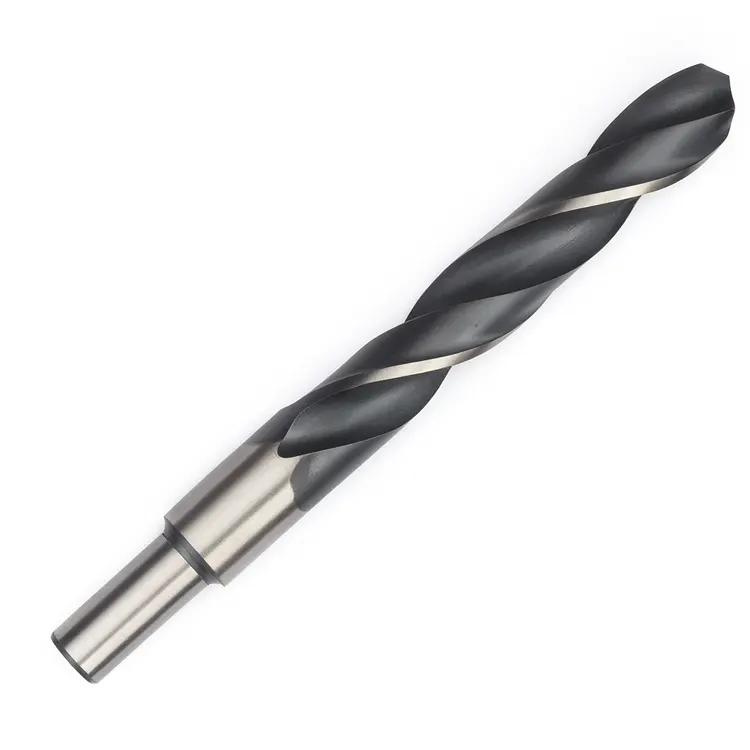
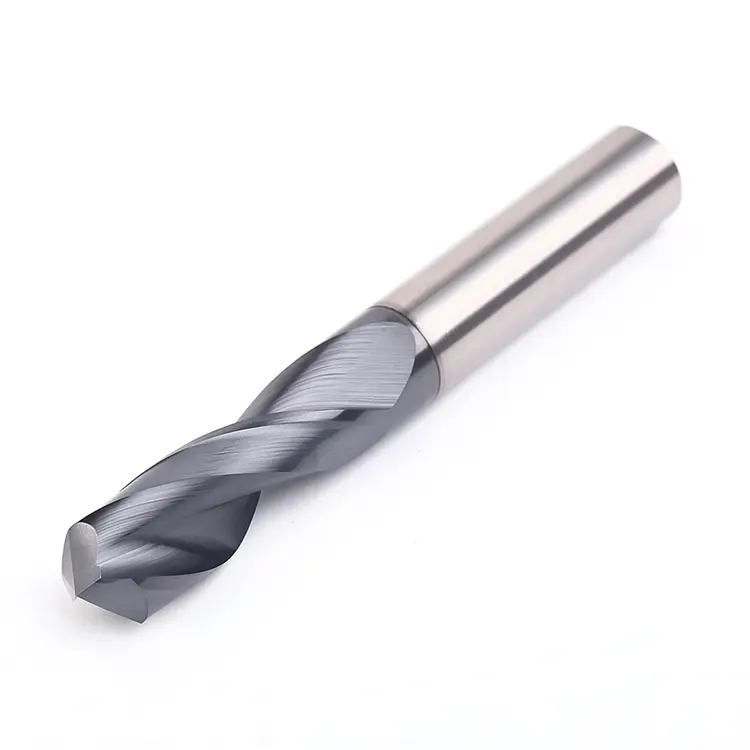
High Precision Drill Insert SP 3XD: Improving Hole Quality
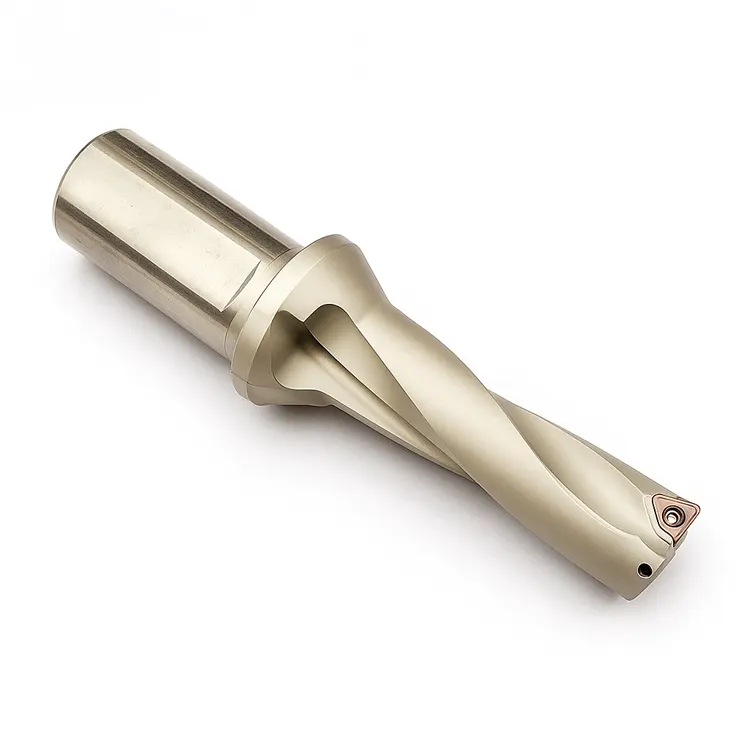
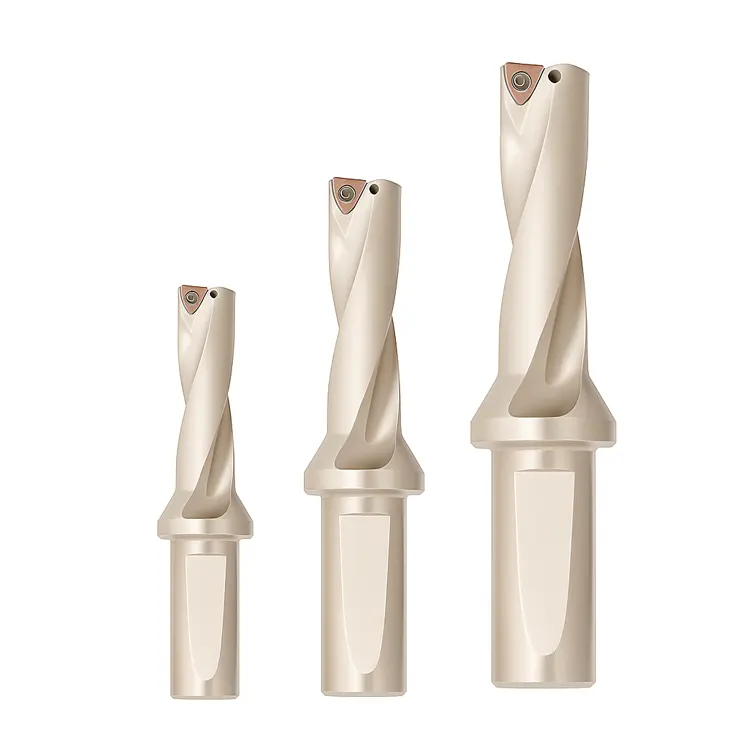
The SP 3XD high-accuracy drill insert is an extension of the mill family, providing high accuracy and effective drilling in harsh environments. It is a high-quality carbide product that has sharp edges, high hardness, and excellent wear resistance.
- The design of 3XD geometry provides stable chip evacuation, high consistency of hole quality, and suppresses vibration. It also works well with steel, stainless steel, and cast iron, increasing the life of a tool and aiding in machining at a high rate.
- It is a precision drill insert that enables manufacturers to obtain quality hole finishing, dimensional accuracy, and repeatability of performance, which is essential to the aerospace and automotive sectors.
Pros of Indexable Drills and Inserts
Besides face milling processes, indexable drills offer some advantages to the current machining:
Replacement Cutting Inserts
Repetitive cutting edges can be easily rotated or changed over with replacement cutting tips, eliminating the cost and the downtime associated with tooling.
Multi-Functional Design
Indexable drills have the capability of using various diameters and materials, which may include metal, plastic, composite material, etc.
Modular Construction
They can be customized; their modular design accommodates any type of shank, including coolant delivery systems, to a wide range of machine configurations.
High Accuracy and Precision
Designed to fit into very tight tolerances, these drills provide finishes and concentricity of holes that are superior to standard tools.
Coolant Delivery System
In-built coolant skids reduce friction and heat, prolong the life of the tool, and provide a smooth running procedure.
Reduced Downtime
The indexable systems dramatically reduce downtimes by using long-life inserts and lowering their replaceability, thereby improving production efficiency.
Technical Performance: Feed Rate, Cutting Force, and Stability
One of the reasons why manufacturers choose mills is that they can maintain constant cutting forces and tool balance when face milling with high feed.
Feed Rate Optimization: Allows much faster passes without compromising the surface quality.
Cutting Force Distribution: Lesson of vibration and tool wear.
Toolholder Stability and Alignment: Provides the accuracy of material engagement.
Roughing and Finishing on Surfaces
With a precision indexable face mill, roughing and finishing are possible. Roughing aims at a fast removal of the material. Finishing removes texture and geometry irregularities in the surface.
Roughing: Rough cuts using more aggressive feed rates.
Finishing: This includes final passes with less feed to create smoother surfaces.
The chip evacuation system and insert seat design enable continuous cutting on intricate surfaces.
Which Face Mill to Select?
The selection of a face milling cutter is determined by:
Material: Steel, aluminum, cast iron, or non-ferrous metals.
Reduction in Speed and Feed Rate: Determined by insert grade and geometry.
Machine Power: Should allow desired feed rates and depths.
Insert Type: Select depending on desired finish, chip shape, and wear pattern.
Expert guidance is provided at AccurateCut, which provides your face mill supplier with face mill designs that are custom-designed and built to meet every machining task.
Repair and Replace Insert
Machinists Should:
- Periodically check the wear or debris of the insert seats.
- Swap or change plugs before they get to critical wear limits.
- Use the manufacturer's insert wear and replacement instructions.
- Measure coolant flow and vibration of the spindle during operation.
- Maintenance also improves the life of tools and the uniformity of finish.
Conclusion
An indexable face mill is now not only a tool in the modern CNC machining environment, but it is also an engineered solution that makes efficiency and profitability a driving factor. Integrating exchangeable carbide inserts, hard design, and leading-edge coating technology, these tools guarantee superior cutting performance, surface quality, and tool life. At AccurateCut, we are experts in industrial cutting solutions, tool design, and face milling cutters of high quality and longevity. When you invest in a quality face mill, you are investing in efficiency, quality, and consistency, and these values are what the future of advanced manufacturing is all about.
