





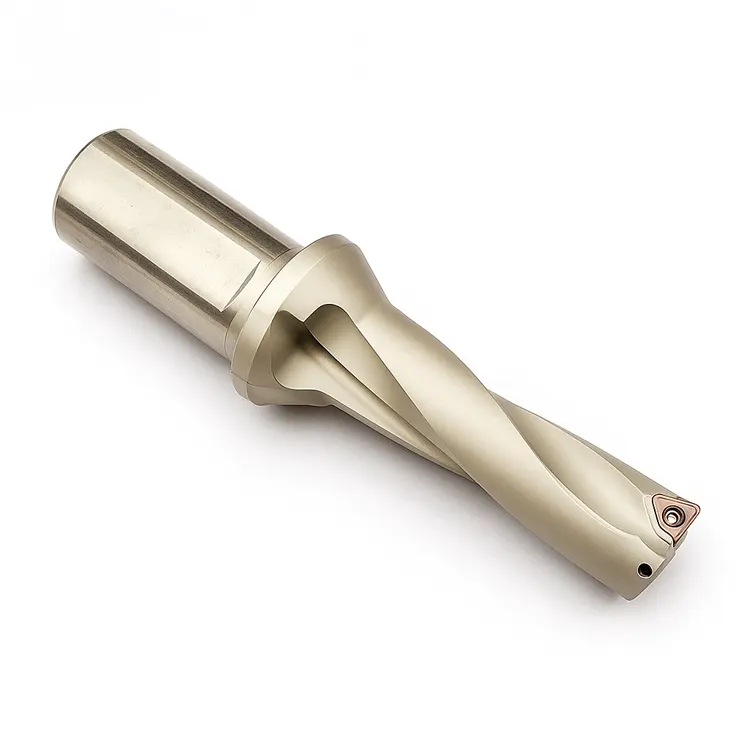
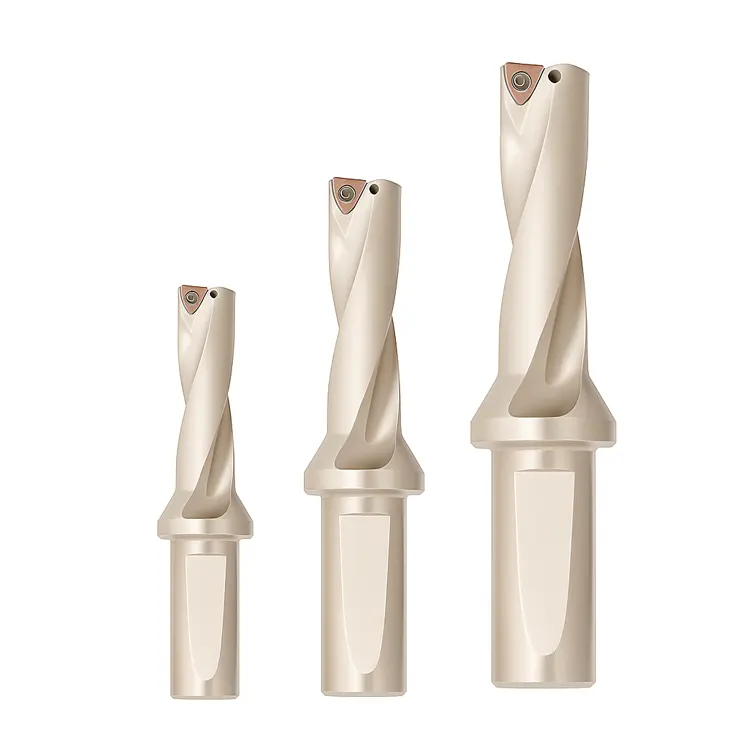


What Is a Countersink Drill Bit and Why Do You Need It?
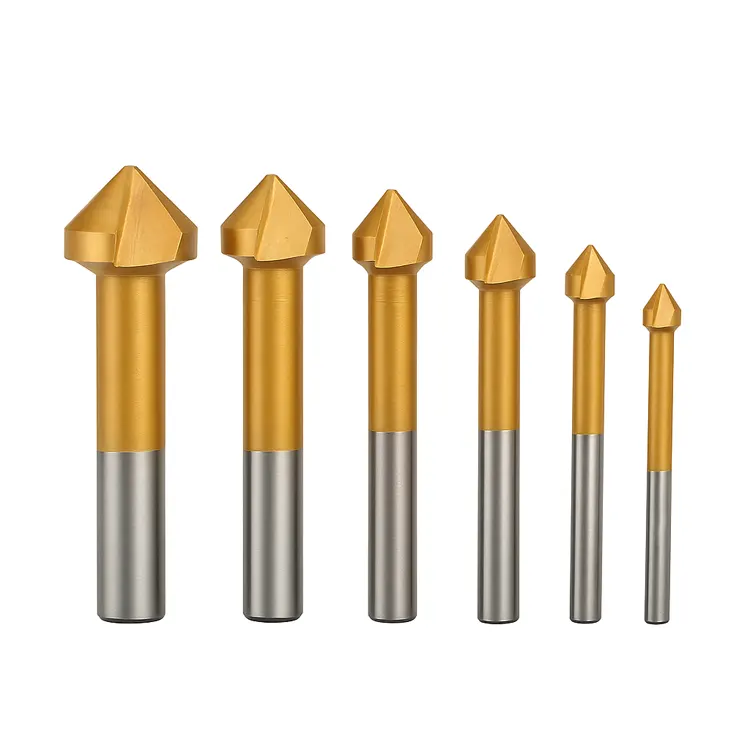
In precision fastening, surface finish matters as much as structural strength. Whether you are assembling furniture, building cabinetry, installing decking, or working on fine woodworking and light metal projects, the way a screw sits in a material can affect both performance and appearance. This is where the countersink drill bit becomes an essential tool rather than a convenience. Many fastening failures, surface cracks, and misaligned joints trace back to poor hole preparation rather than poor hardware selection. Understanding what a countersink drill bit is, how it works, and why professionals rely on it can significantly improve the quality and durability of your work.
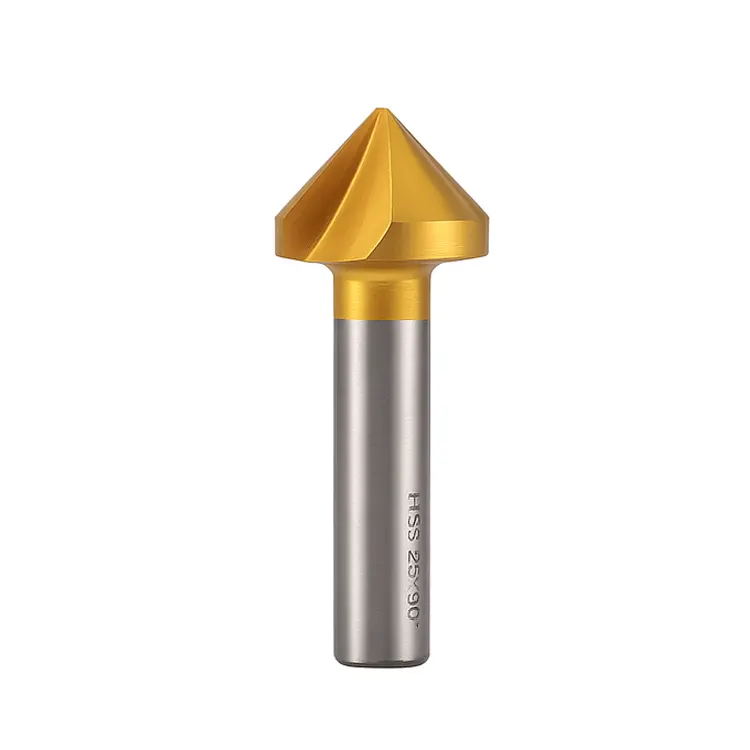
Understanding What a Countersink Drill Bit Is
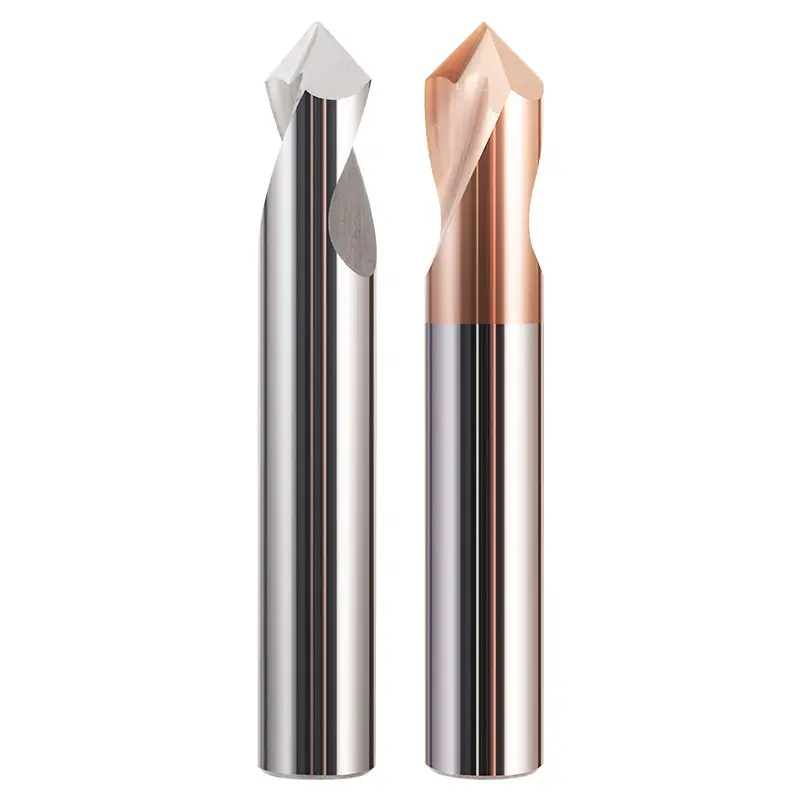
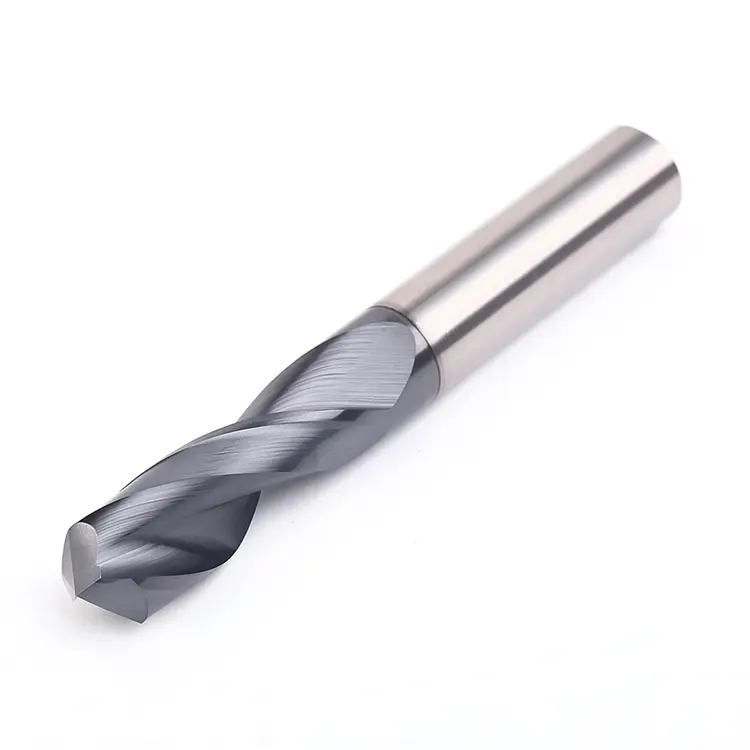
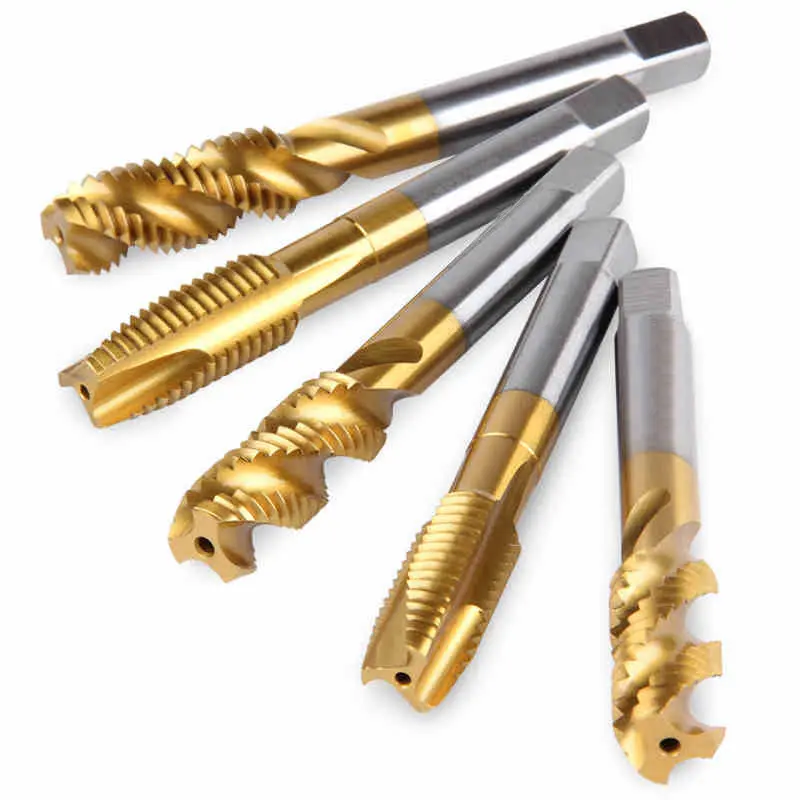
At its core, a countersink drill bit is a specialized cutting tool designed to create a conical recess at the top of a drilled hole. This recess allows flat-head screws and fasteners to sit flush with or slightly below the surface of the material. Without this recess, the screw head can protrude, damage surface finishes, or introduce uneven stress that leads to cracking, especially in wood.
When people ask what is a countersink drill bit, the simplest explanation is that it combines hole preparation with surface finishing. Unlike a standard drill bit, which only creates a cylindrical hole for the screw shank, countersink drill bits modify the opening of that hole to match the angle of the screw head. This small geometric change has a large impact on load distribution, aesthetics, and the longevity of joints.
Modern countersink drill bits are available in multiple angles, commonly 82°, 90°, and 100°, each matching specific fastener standards used in woodworking, metal fabrication, and mechanical assembly. Using the correct angle ensures the screw head seats evenly, reducing the risk of stripping, wobble, or material deformation.
How Countersink and Drill Bit Combinations Work
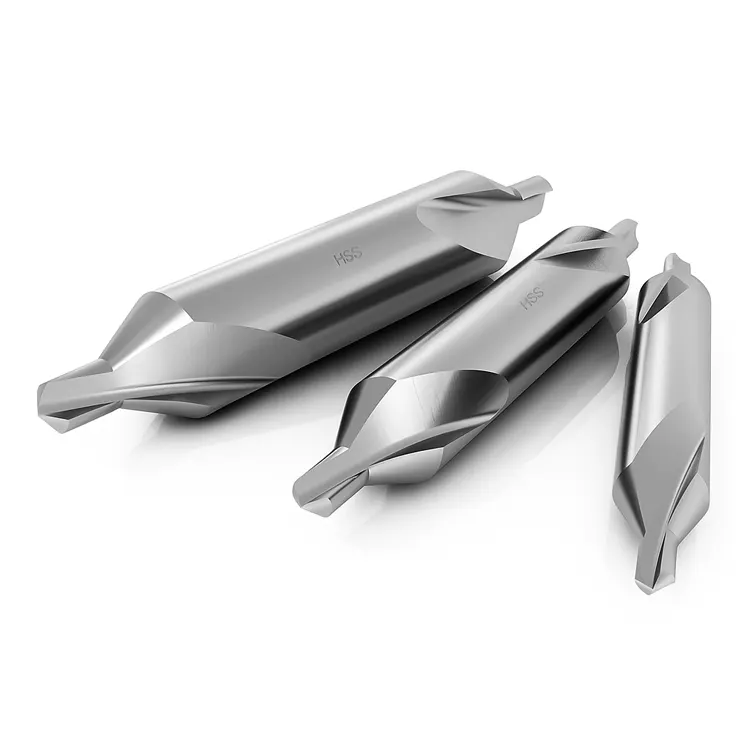
Traditional workflows often involve drilling a pilot hole first and then switching to a separate countersink tool. While this method is still valid, it introduces opportunities for misalignment and inconsistency. A countersink and drill bit combination integrates both steps into a single tool. This type of drill and countersink bit allows users to drill the pilot hole and form the countersink in one controlled motion.
The advantage of a drill bit with countersink is consistency. Because both cutting edges are aligned on the same axis, the countersink is perfectly centered over the pilot hole. This precision is especially valuable in production environments, cabinetry shops, and any application where uniform screw seating improves both structural integrity and visual quality. The reduction in tool changes also improves workflow efficiency, particularly in repetitive tasks.
Why Countersinking Improves Structural Performance
The functional benefit of countersinking goes beyond appearance. When a screw is driven into an uncountersunk hole, the flat underside of the screw head presses against a flat surface. This concentrates stress at the edges of the screw head, increasing the risk of surface cracking or fiber tear-out in wood. Over time, vibration or load cycling can cause the screw to loosen as the material compresses unevenly.
A properly formed countersink distributes load across the conical surface of the recess. This improves contact area between the screw head and the material, leading to more stable joints. In woodworking, a countersink drill bit for wood is particularly valuable because wood fibers are prone to splitting under point pressure. By shaping the entry point, the tool reduces localized stress and preserves the integrity of the surrounding material.
In structural assemblies, consistent countersinking also helps maintain alignment between joined components. Flush-mounted screws prevent interference with adjoining parts, coatings, or surface finishes. This is why countersinking is standard practice in cabinetry, flooring systems, and precision mechanical housings.
Applications Across Materials and Industries
Countersink drill bits are widely associated with woodworking, but their usefulness extends to plastics, soft metals, and composite materials. In woodworking, countersinking prevents tear-out and allows screws to be hidden beneath wood filler or plugs for a clean finish. Furniture makers rely on this technique to achieve seamless surfaces that can be sanded and finished without visible fastener heads.
In light metal fabrication, countersinking is used to ensure fasteners do not interfere with moving parts or mating surfaces. Aluminum panels, for example, often require flush-mounted screws to maintain aerodynamic profiles or precise tolerances. The same principle applies in electronics enclosures, where protruding screw heads can obstruct component placement or cable routing.
The versatility of countersink drill bits is further enhanced by specialized tool designs. A countersink drill bit with depth stop allows users to control how deep the recess is cut. This is particularly useful when working with thin materials or when uniform screw depth is required across a project. Depth control reduces the risk of over-countersinking, which can weaken the material around the screw head and compromise holding strength.
Choosing the Right Countersink Drill Bit Set
Selecting the right countersink drill bit set requires understanding both the material you are working with and the fasteners you plan to use. Different screw head angles require matching countersink angles to ensure proper seating. Using the wrong angle may result in poor contact between the screw head and the countersink surface, reducing holding strength and increasing the risk of stripping.
Material compatibility is another key factor. Countersink drill bits for wood typically feature sharper cutting edges optimized for fibrous materials, while metal-rated countersinks are designed with more robust geometries to handle harder surfaces. Using a wood-specific countersink on metal can lead to premature tool wear and poor surface finish, while using a metal-focused tool on wood may cause tear-out or burning.
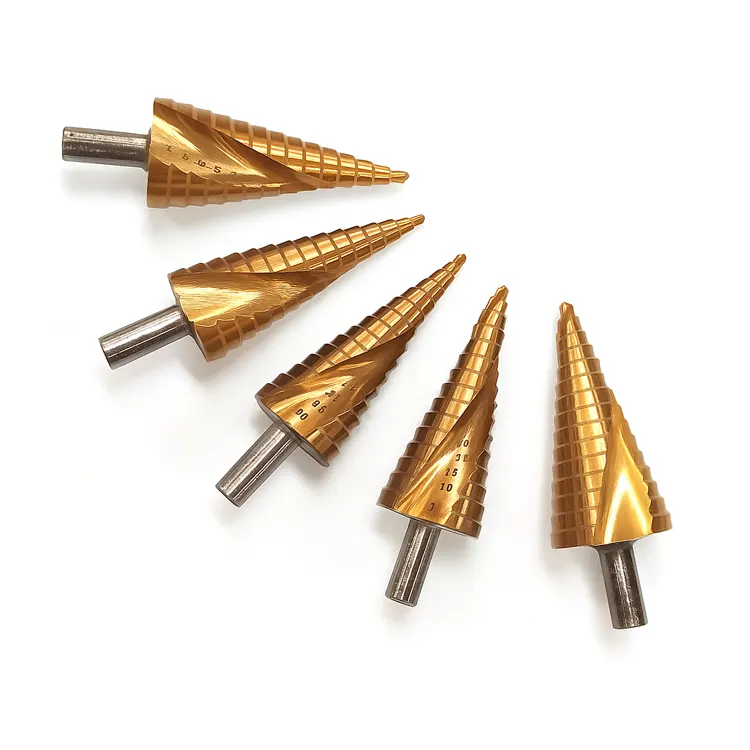
High-quality sets often include interchangeable drill bits with adjustable countersinks. This modular design allows users to adapt the tool for different screw sizes and materials without purchasing multiple dedicated tools. A well-chosen countersink drill bit set becomes a long-term investment that improves both efficiency and workmanship.
Precision, Depth Control, and Repeatability
One of the most common challenges in countersinking is achieving consistent depth across multiple holes. Inconsistent countersink depth leads to uneven screw seating, which can compromise both aesthetics and performance. This is where tools like a countersink drill bit with depth stop become valuable. By mechanically limiting how far the countersink can cut, depth stops ensure uniform recesses even when working quickly.
Repeatability is especially important in production environments, such as cabinet shops or modular furniture manufacturing. When dozens or hundreds of screws must sit flush across a surface, even small variations become noticeable. Precision tooling reduces the need for rework and improves overall finish quality.
The combination of a drill and countersink bit with depth control also reduces user fatigue and error. By consolidating steps and limiting over-cutting, the tool helps maintain consistency across different operators and skill levels. This makes it easier to train new team members while maintaining professional standards.
Common Mistakes and How to Avoid Them
Despite its simplicity, countersinking is often done incorrectly. One common mistake is applying too much pressure, which can cause the countersink to chatter or burn the material. This results in uneven recesses and poor surface finish. Using moderate speed and controlled feed rates helps maintain clean cuts, especially in softer woods where tear-out is a risk.
Another frequent issue is mismatching screw head angles and countersink geometry. This leads to partial contact between the screw head and the recess, concentrating stress on a small area. Over time, this can loosen the fastener or damage the surrounding material. Always verify screw specifications before selecting a countersink tool.
Tool maintenance is also overlooked. Dull cutting edges produce rough recesses and increase heat buildup. Regular inspection and replacement of worn countersink drill bits maintain cut quality and reduce the risk of material damage.
Why Professionals Rely on Countersink Drill Bits
In professional environments, efficiency and consistency are not optional. A drill bit with countersink streamlines workflows by reducing tool changes and minimizing alignment errors. This efficiency translates into time savings, especially in repetitive tasks such as installing decking, assembling cabinetry, or fabricating fixtures.
Beyond efficiency, countersinking reflects professional workmanship. Flush-mounted fasteners signal attention to detail and a commitment to quality. Clients and end users may not consciously notice countersunk screws, but they do notice smooth surfaces, clean lines, and durable assemblies. In this sense, countersinking contributes to perceived quality as much as to actual performance.
Professionals also value the flexibility offered by modern countersink drill bits. Interchangeable components, depth control features, and material-specific designs allow a single tool system to adapt to a wide range of applications. This adaptability reduces tool inventory while maintaining high standards of precision.
Long-Term Value and Craftsmanship
Investing in quality countersink drill bits is not just about convenience; it is about long-term reliability and craftsmanship. Properly countersunk fasteners reduce wear on surfaces, improve joint stability, and enhance the durability of finishes. Over time, these benefits compound, leading to fewer repairs, less maintenance, and better overall performance of the assembled product.
From hobbyist workshops to professional fabrication floors, the countersink drill bit represents a small tool with a significant impact. It bridges the gap between basic fastening and refined assembly, enabling work that is not only functional but also cleanly finished and structurally sound.
Final Thoughts
Understanding what a countersink drill bit is and why you need it changes how you approach fastening altogether. Whether you use individual countersink drill bits or integrated drill and countersink bit systems, the principle remains the same: preparing the surface properly improves both the performance and appearance of your work. With the right countersink drill bit set and thoughtful application, you move beyond simply driving screws into material and begin practicing true precision assembly.
