

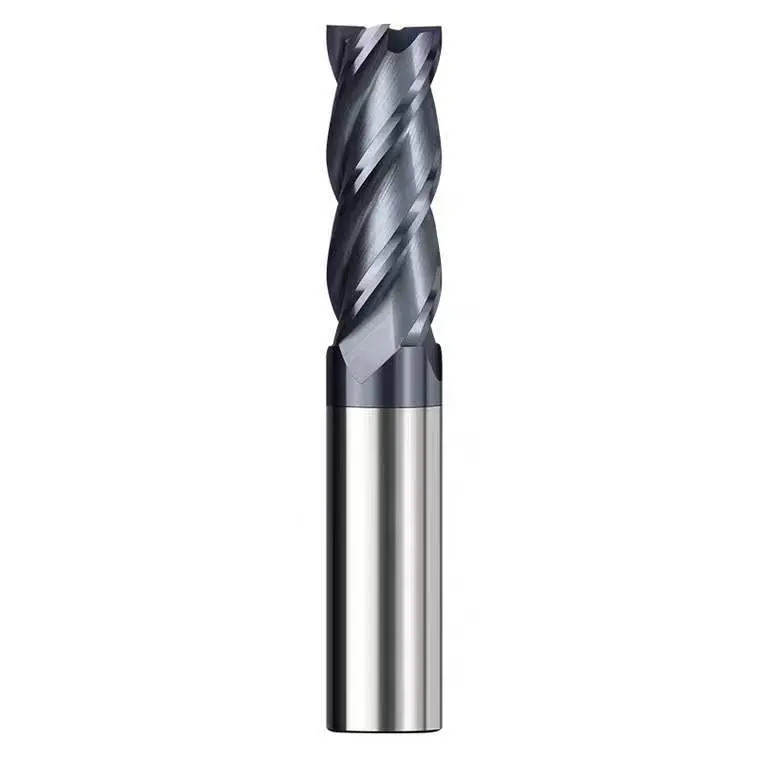


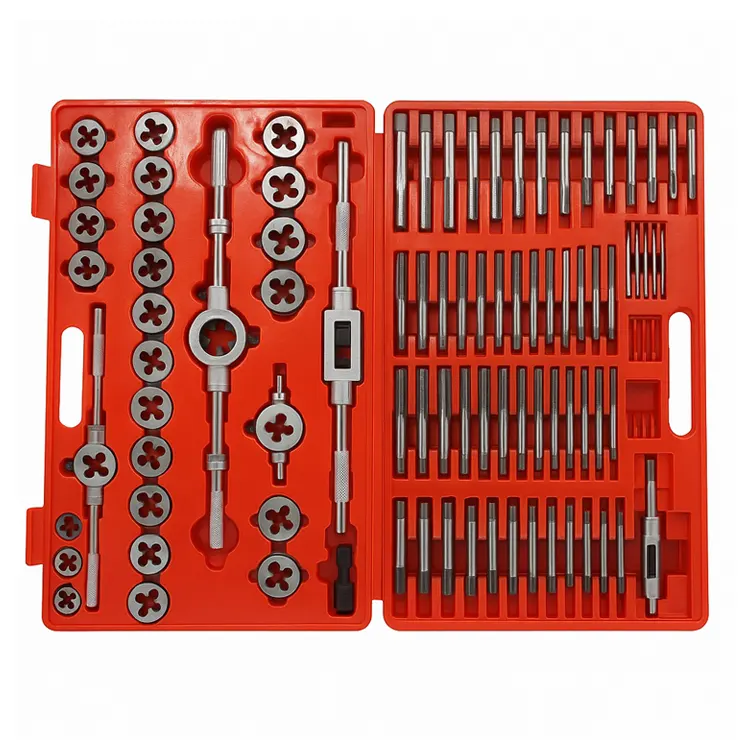
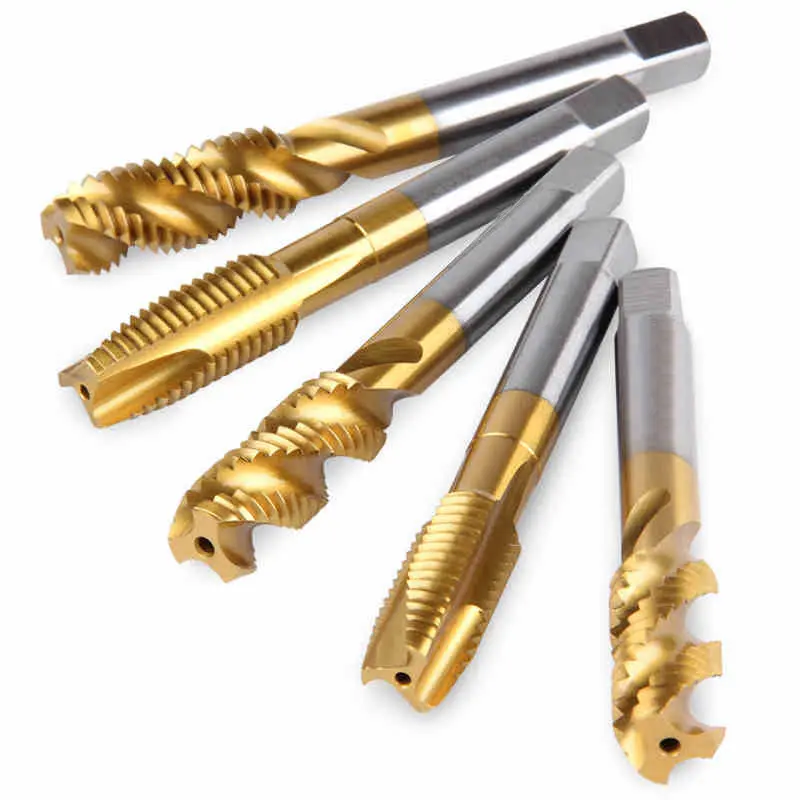
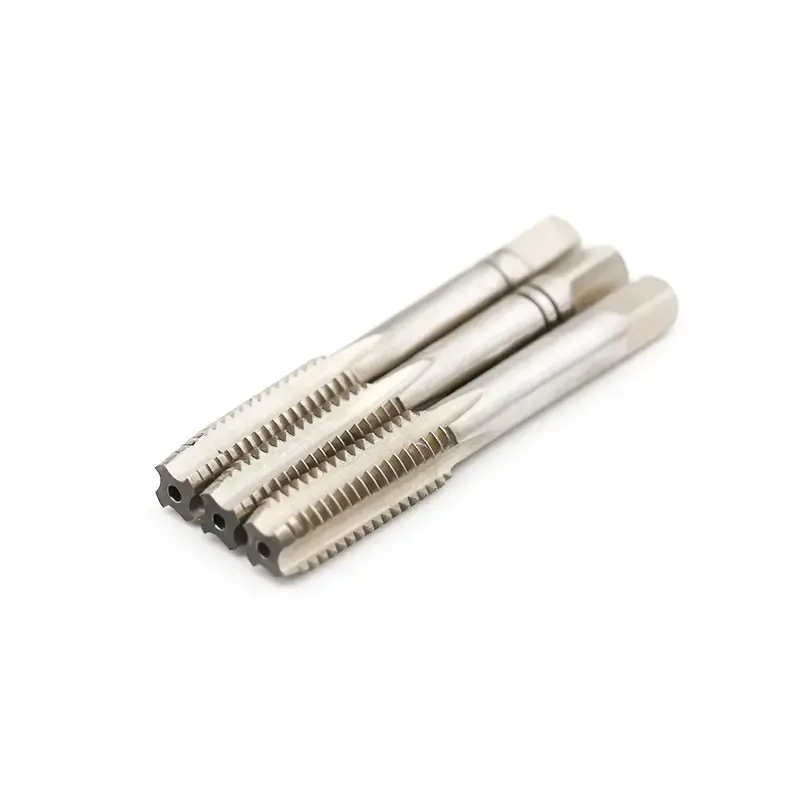




Face Mill Cutter | High-Performance CNC Milling Tools
What is a Face Mill Cutter?
A face mill cutter is a specialty surface milling tool with the single purpose of cutting and making available planar cuts on different materials, including steel, aluminum, and alloys. It also has a multi-point cutter that contains several indexable inserts firmly fixed to the cutter body within the mill, thereby giving consistent removal of the material on the workpiece. These cutters are typically radial in operation compared to end mills, which typically axially cut the material; consequently, these cutters can cut large flat sections with high stability levels and also with minimal vibration.
The advanced capabilities of modern CNC cutters include advanced tool geometry, cutter geometry, defined cutting edges, and controlled insert placement, which allow full feed rate control, controlled chip removal, and greater precision in surface finishes. In addition to this, TiAlN, TiCN, DLC, and PVD coating technologies are characterized by high heat resistance, reduced friction, and increased tool life, and as such form an indispensable component in industrial CNC operations.
Working with a Face Mill Cutter
And in a typical face milling operation, the rotary face cutter will turn at high frequencies since it takes the shape of the workpiece, such that every insert has cut away a minimal amount of material. This multi-point cutting effect offers balanced distribution of cutting forces, vibration suppression, and enables the same surface finishing, even in severe conditions. Its toolholder and insert assembly has been developed to maintain a high level of balance and alignment in high-speed rotation, optimizing machining tolerance and offering more cutting stability.
The actual working of a face mill cutter depends on several points, like depth of cut, tooth feed, spindle rate, and hardness of workpiece material. Carbide cutters with additional coating are better in wear, less thermal deformation, and better performance than other types, when machining at the highest speed is required, or when the milling requires the hardest industry grade.
Ideal Face Mill Cutter
Some factors must be given serious thought when handling the type of face cutter mill to cut faces to get optimum performance, and to be cost-effective:
Material Compatibility: Select TiAlN or DLC according to hardened steels or aluminum to assure a stable cutting edge.
Operation Type: Choose roughing cutters to cut and finishing cutters to finish to create smooth and accurate faces.
Cutter Diameter and Number of Inserts: A large diameter is desired on broad (flat) surfaces, and a small diameter on constrained (geometric) ones.
INSERT Geometry: The positive rake inserts are fit to allow easy access to the material, but negative rake inserts are more durable and stronger at the edges.
Machine Compatibility: It is vital to ensure that the face mill cutter is compatible with your CNC machine's spindle rate as well as spindle power output, without overloading the tool and making it lose track during cutting.
AccurateCut sells a wide variety of industrial cutters, indexable insert tools, and high-performance CNC milling cutters that have long life and high precision.
Material and Coating Factors
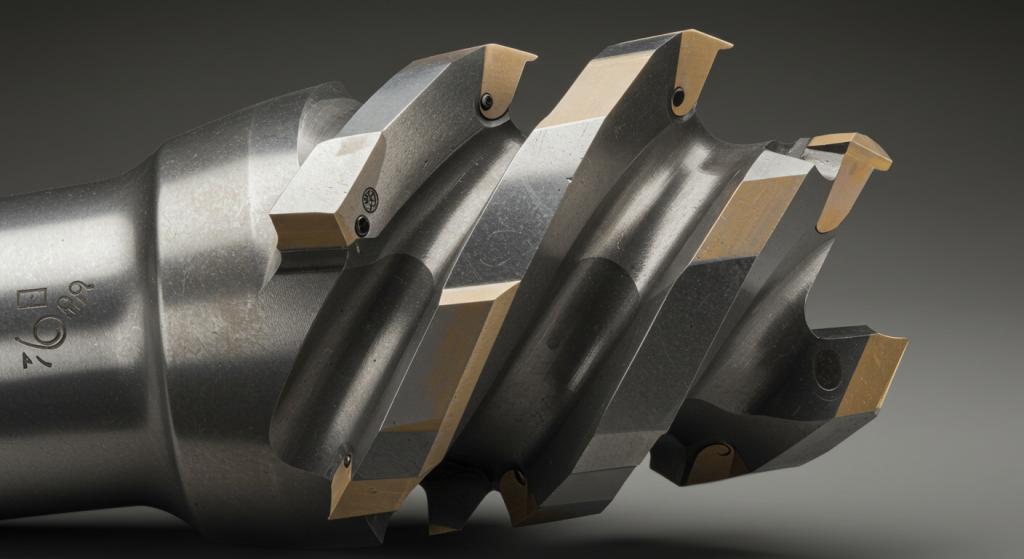
The kind of cutter used in face milling and the coating have a significant relationship that determines the performance of the cutter when applied in various machining conditions. Options include:
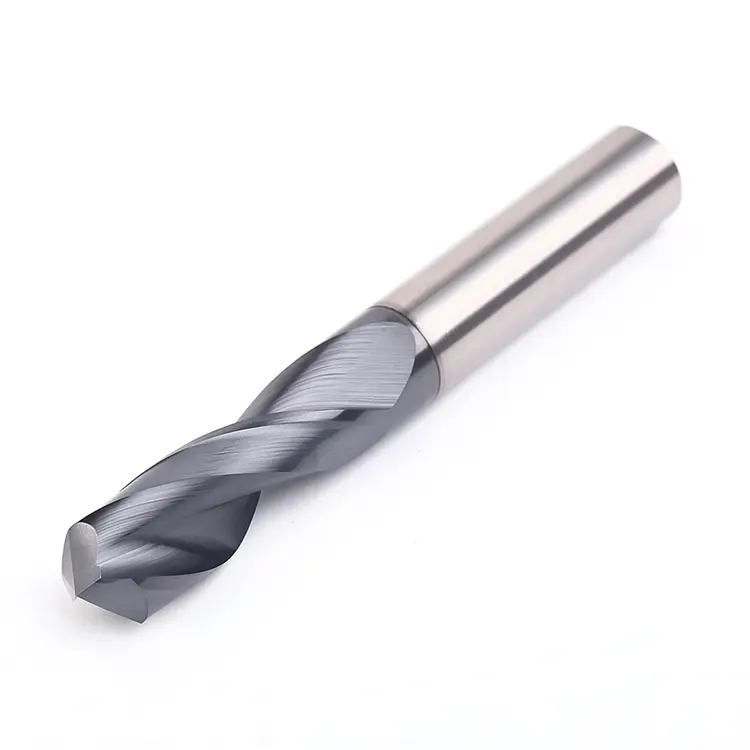
Solid Carbide: Ideal rigidity and wear resistance, this material is applied in high-speed cutting processes.
HSS-Co (Cobalt HSS): offers a trade-off between hardness and heat tolerance, and can be utilized in almost all common milling processes.
Nano-Coated and DLC-Coated Cutters: Reduce friction, improve the removal of the chip, and increase the service life of the tool when cutting non-ferrous materials.
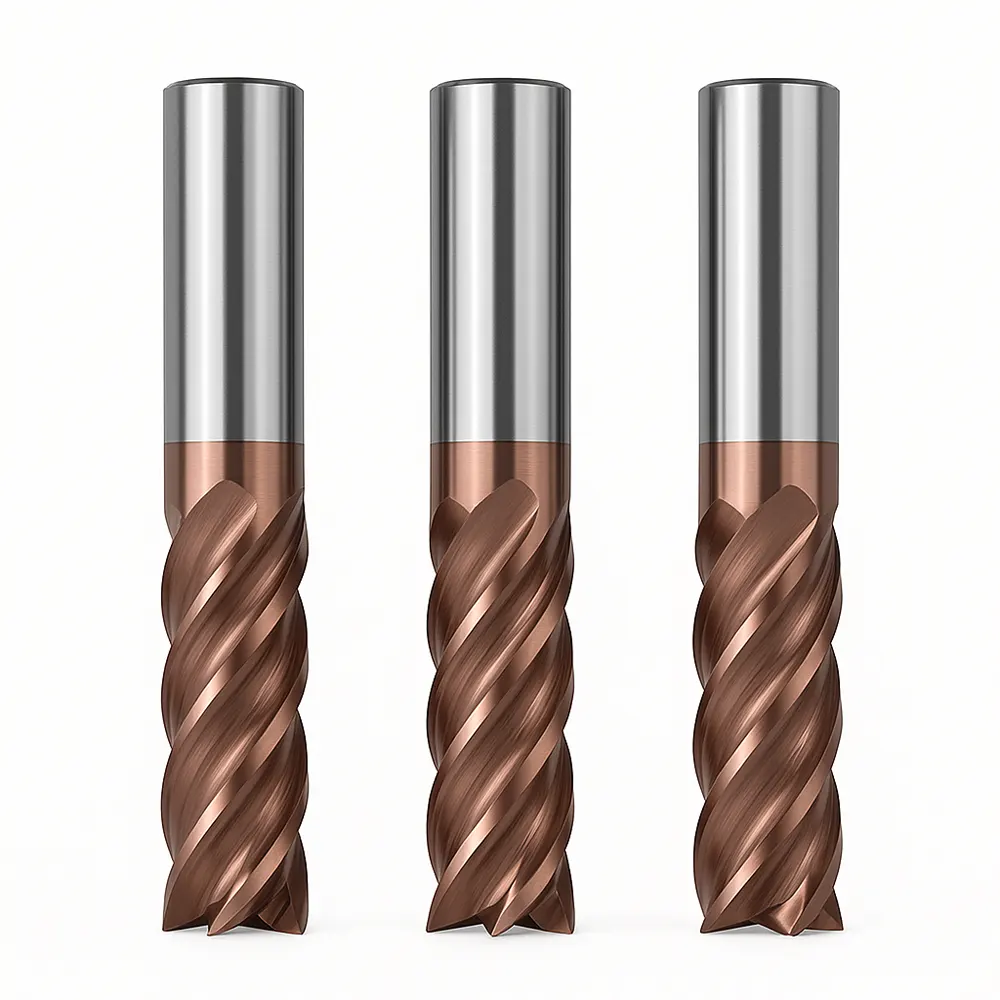
PVD of TiAlN, TiCN: TiAlN and TiCN are used to provide better thermal stability and cutting behavior in high-speed or heavy-duty milling.
Applications
These cutters are used with a lot of machining applications in the industry, including:
- Face milling, precision surface flattening, and multi-axis milling.
- Roughing processes where heavy stock must be removed must be performed using heavy-duty face milling cutters.
- Completion, achievement of a mirror finish with well-calibrated toolpath plans.
- Die and mold, in which the base of the molds is finished to a high level of precision, and machine the surface of the dies.
- To cut lightweight alloys, to form tailored molds, and to cut precision components with high efficiency, for aerospace and automotive applications.
Maintenance and Tool Life
These cutters should be well-maintained to ensure accuracy and cutting performance, and an extended tool life. Key considerations include:
- Manual or automatic checks on cutting-edge geometry and tool holder position with early wear prevention.
- Maximization of the evacuation of chips and coolant to reduce thermal stress.
- Replace or sharpen used indexable inserts after each so many cycles to maintain precision in surface finish.
- Determining the degree of vibration and how the tool remains stable to minimize deflection and to ensure a consistent machining outcome.
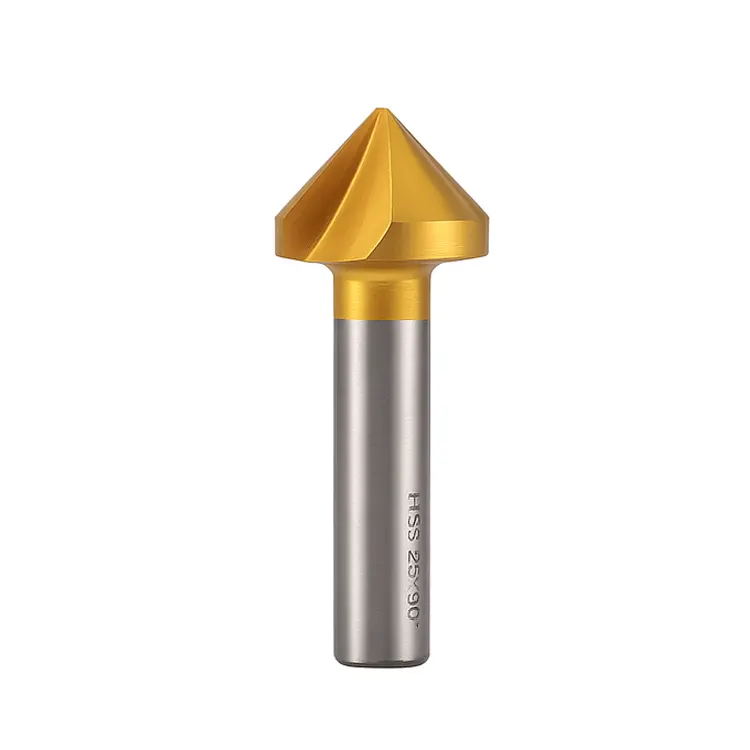
HSS Dovetail Milling Cutter: Niche
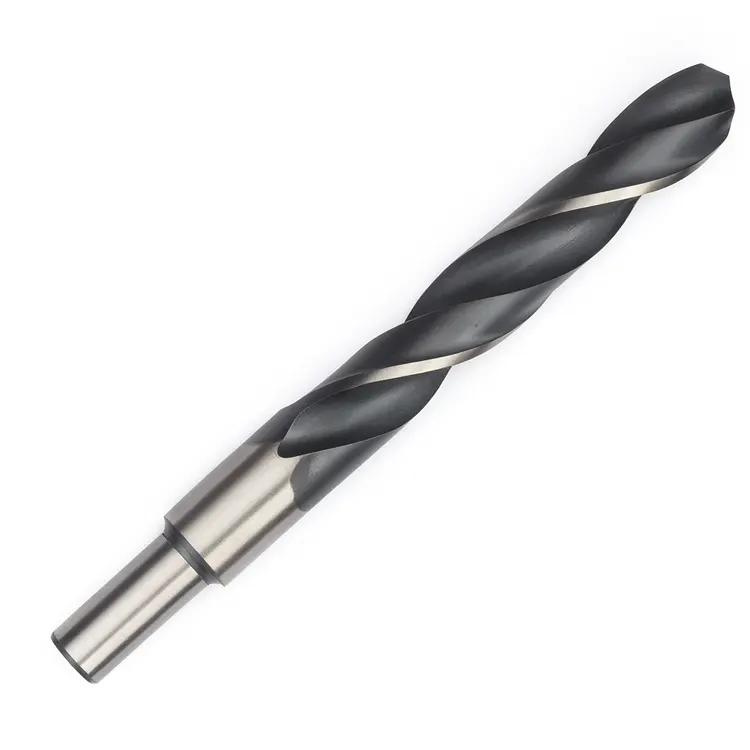
HSS dovetail cutters are also used to make precision dies and molds, as well as face mills. These cutters consist of high-speed steel in a good combination of hardness, wear resistance, and shock tolerance, so that they are used frequently at a high speed.
Key Advantages Include:
- Hardened with high wear resistance and durability, allowing easy cutting of metal and aluminum, and mold material.
- High heat strength, able to resist cutting edge integrity even at high temperatures.
- Strong and hard, eliminating chipping and breakage in hitting or in the vibratory intensive processes.
Operators should monitor indicators of tool passivation (e.g., thick and flaky chips, surface ripples, or abnormal vibration) and correct this by replacing the inserts or sharpening them, ensuring continued efficiency and quality production.
The Future and Applications in Industry
These cutters play a central role in industrial CNC work, assisting in the manufacturing of aerospace parts, automotive molds, and heavy equipment. With new milling technologies, including intelligent toolpath optimization and cutting assisted by artificial intelligence, and advanced multi-insert face mills, industrial milling is becoming more efficient, creating a better surface finish and lasting longer.
The diversity in cutters and precision milling cutting tools at Accurate Cut is achieved due to the current technology of the latest coating technology, refined insert geometry, and superior toolholder systems, and the consequence of which is speed as well as high output and quality.
Conclusion
The face mill cutter is an important tool of modern machining, being able to cut the material with great performance and high precision surface finishing. By investing in quality tools that are provided by the renowned organizations like AccurateCut manufacturers, they will be able to maximize their productivity and ensure the high standards of precision machining to compete in difficult industrial environments. Nothing but that, which raises the cutter above a tool is its central function in the development of the perfection of industrial machining and the attainment of ever-increasing output of the highest quality.
