







Machine Tap Guide | Precision Threading for CNC & Industrial Use
What is a Machine Tap and How Does it Work?
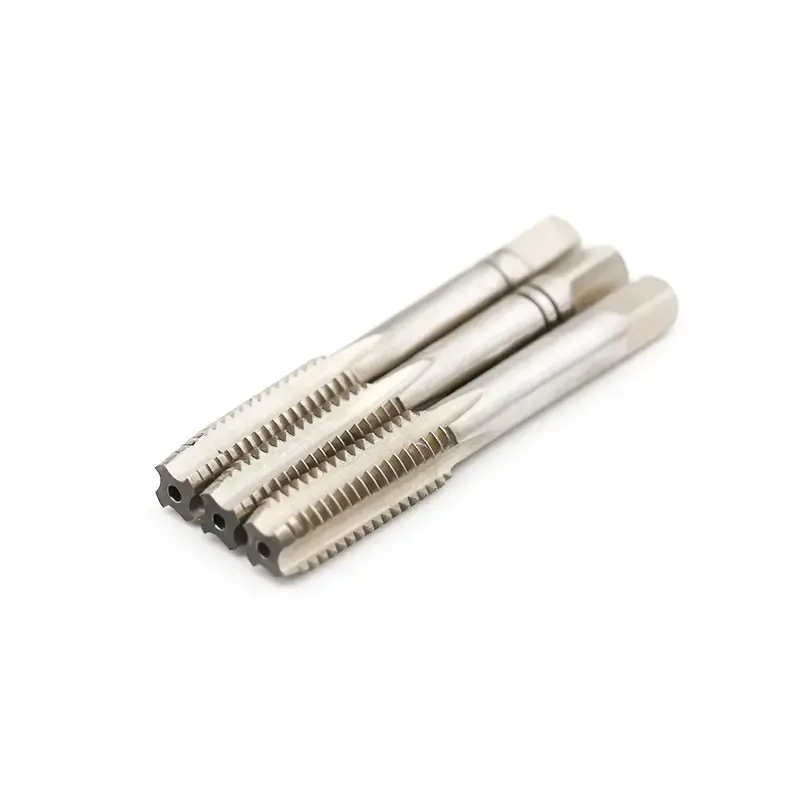
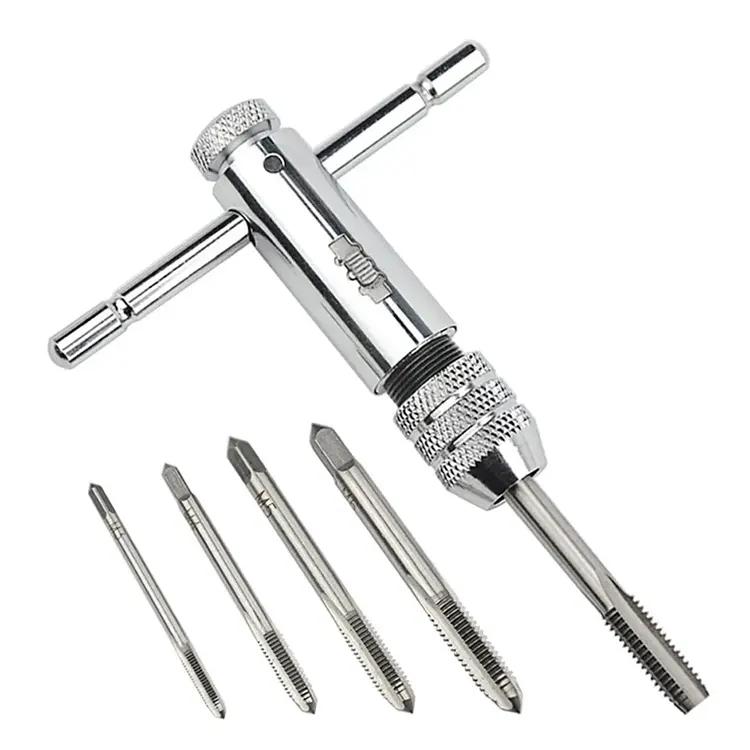
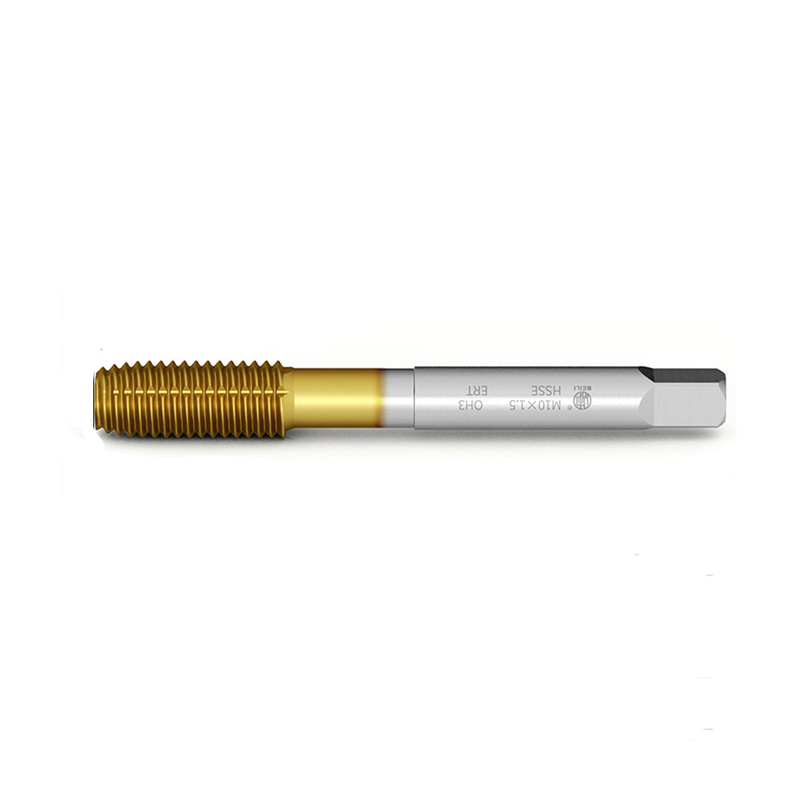
A machine tap is a tapping tool, used to cut or form threads in a hole when driven by a machine, like a CNC machining center, tapping head, or drill press. It is much more effective than a hand tap, providing greater accuracy and repeatability in factories.
Thread Cutting Tap: A tool used to cut material to create threads.
Thread Forming Tap: Threads are formed by pushing material together with cold forming (plastic deformation).
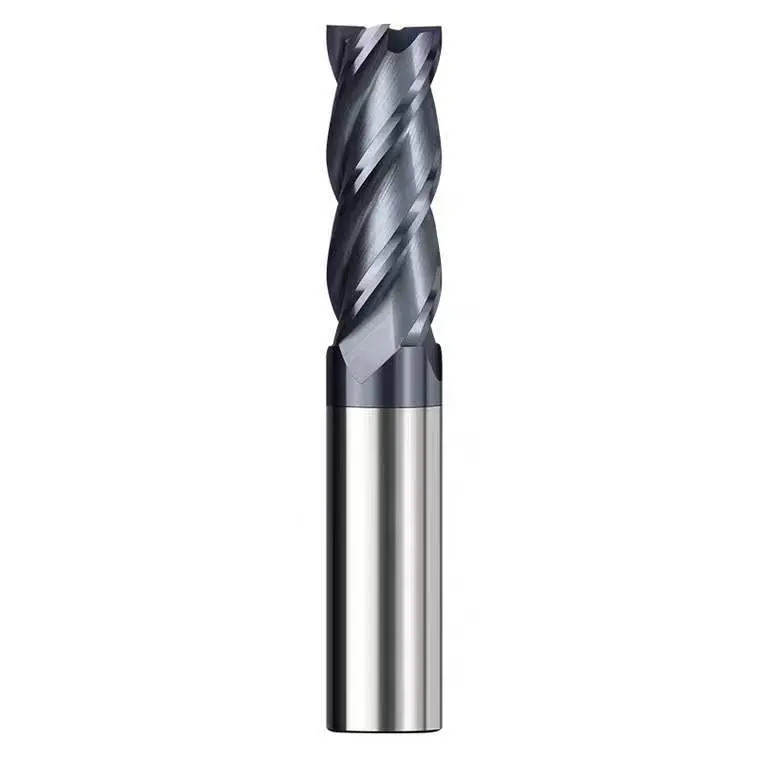
Both find applications in current-day industries where internal threads need to be assembled within tight tolerances in plumbing, automotive, aerospace, oil and gas, and in precision machinery. These taps are typically produced in either HSS (High-Speed Steel), cobalt alloy, or carbide, occasionally with TiN (Titanium Nitride) or TiCN (Titanium Carbonitride) finishes. These materials and finishes enhance hardness, wear resistance, and high-speed tapping.
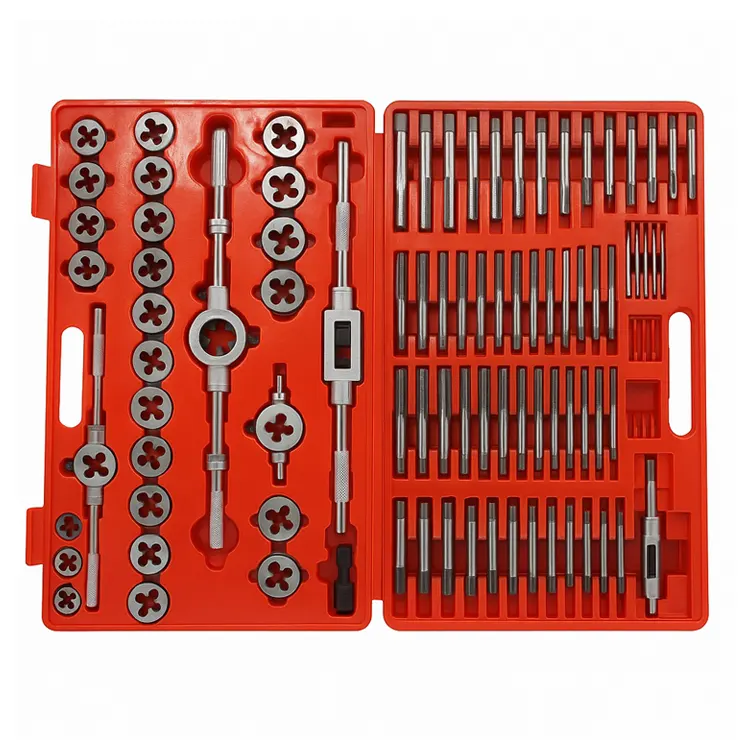
Accurate Cut has more threading tool solutions, offering industrial-grade tapping tools, dies, and machining accessories to the industry worldwide.
By Process
Thread-Cutting Tap: This tool cuts material to create threads.
Thread Forming Tap: Material is pushed aside to create stronger threads, but there are no chips made.
Machine Tap Materials and Coatings
Material and coating are very important factors determining the performance of a tap.
HSS Tap (High-Speed steel): It is cheap and tough.
Cobalt Tap: Wear resistance and heat tolerance to hard metals are improved.
Carbide Tap: Unsurpassed hardness, ideal in high-volume CNC tapping.
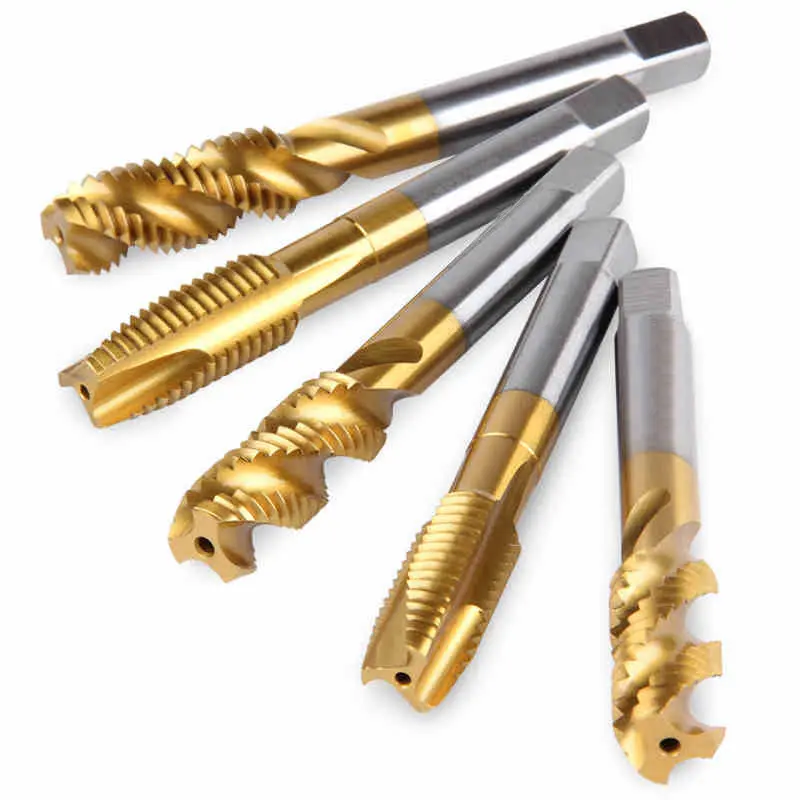
TiN-Coated Tap: Improves tool life and decreases friction.
TiCN-Coated Tap: The TiCN is much harder and offers better wear resistance than TiN.
Special Notice on TiCN Coated Machine Taps
TiCN-coated taps are nowadays considered to have become the new standard in the area of threading. The tungsten carbonitride protective layer improves hardness, reduces friction, and permits higher cutting rates with preservation of thread accuracy.
These are the major characteristics of TiCN Coated taps:
- Higher surface hardness and hard wear resistance.
- Less friction enhances cutting efficiency.
- Flute design optimized to aid in the evacuation of the chip.
- Applicable to steel, stainless steel, aluminum, and cast iron.
- Constant threading performance is achieved, which guarantees constant tool life.
Powerful and Tough Benefits
What needs to be as precise as possible, dynamic stability.
- Designed to run at high speed.
- Longer tool life and less downtime.
It is only natural, with these advantages, that TiCN-coated taps have become very popular among those manufacturers who want to achieve high-performance threading solutions.
Industrial Applications of Machine Taps
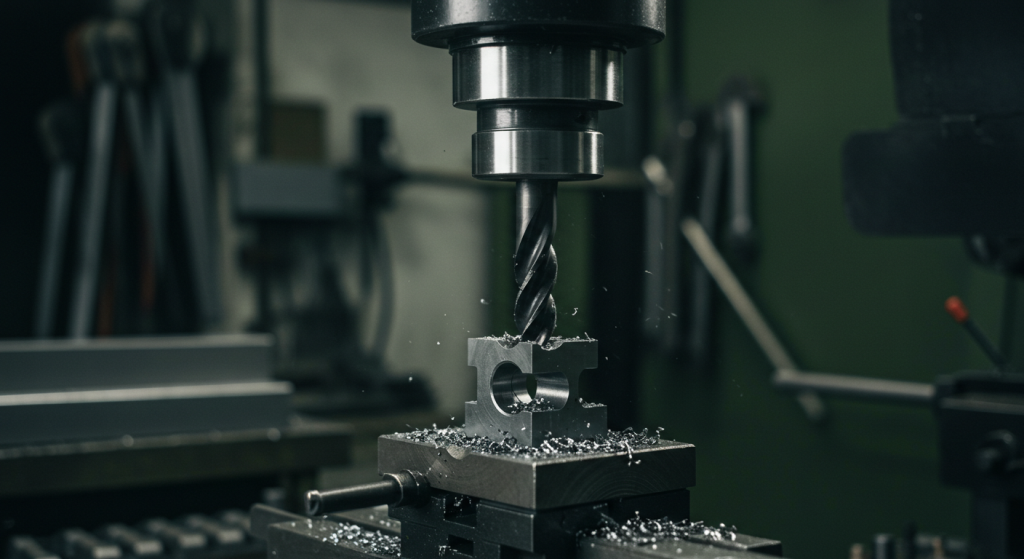
These taps are employed in all major industrial sectors, where threaded connections are required. This has been used in some applications, such as:
- Treading of automotive parts (gear houses, engine blocks, fluid lines).
- High-strength threaded joint aerospace machining.
- Heavy machine hydraulic and pneumatic fittings.
- Plumbing and heating systems to threading the pipes accurately.
- Oil and gas fittings with NPT and BSP taps.
- Adaptors are used in the metalworking industry.
Also, CNC tapping equipment is increasingly common on production lines to achieve faster turnaround with unparalleled repeatability.
Machine Taps: Technical Specifications
The machining of these components requires a high degree of accuracy in threading and standards. Some of the vital terms are listed below:
- Thread Pitch Control: Sets the thread spacing.
- Thread Depth Accuracy: Provides correct fit and thread engagement.
- Chamfer Length: Determines the rate at which the tap cuts material.
- Tap Drill Size Chart: A Chart needed to pick the appropriate pre-drill size.
- Thread Relief Angle: Lessens the amount of friction when tapping.
- Cutting-Edge Geometry: Affects the sharpness and wear of the tool.
In the workshop, compatibility charts and thread identification guides are common to avoid the mismatch of threads.
Machine Tap Vs Hand Tap
Although both tools have the same aims, to make internal threads, there are significant differences between the two:
Machine Tap: This is used in CNC machines, drills, or tapers. Provides high-speed tapping, increased thread quality, and less operator fatigue.
Hand Tap: It is the tap that is operated by hand with a tap wrench. Appropriate when low-volume work is required, and slower and less accurate.
In the case of large-scale production, the preferred taps are industrial because of their efficiency and uniformity.
How to Use a Machine Tap?
Correct use of a machine tap guarantees a longer tool life and proper threads.
- Choose the appropriate tap according to material (HSS, cobalt, carbide).
- Make sure to check the tap drill size chart to drill the right hole.
- Install the tap in the CNC machine, tapping head, or drill press.
- Use a lubricating fluid or cutting fluid to minimize friction.
- Adjust the correct feed rate and cutting speed regarding the tap material.
- Turn on the tap slowly, making sure that the thread pitch is properly aligned.
- Check the thread using thread inspection equipment (Go/No-Go gauge).
- Typical errors include overfeeding, improper lubrication, or working with a dull tap can cause tap breakage or incorrect threads.
Maintenance and Longevity
To make the most of the lifetime of taps, they must be maintained:
Regrinding Process: Re-forms cutting edges to allow prolonged use.
Periodical Examination: Early wear detection.
Storage: Damage to flutes and cutting edges should be avoided.
Lubrication during tapping lowers the stress on the tool.
Proper Use: Does not create too much torque or overheat.
Thread inspection tools and gauges aid in identifying that threaded components are meeting the required standards before assembly.
Buyer Advice: Selecting the Correct Machine Tap
In selecting a machine tap, take into account:
- Material to be threaded (steel, aluminum, brass, stainless steel, cast iron).
- Standard thread size necessary (metric, imperial, NPT, BSP).
- Tap type (spiral flute, straight flute, bottoming, plug, taper).
- Material of tools (HSS, cobalt, carbide).
- Coating (TiN, TiCN to enhance performance).
Between businesses, a good way to go is to obtain tools from a professional machine tap supplier or manufacturer, such as Accurate Cut, where NPT taps (custom), CNC threading tools, and industrial-grade taps are offered at reasonable prices.
The Future of Machine Tapping: CNC and Precision Engineering
As CNC machining and automation rapidly spread to manufacturing, taps are developing with:
- Improved coating (TiCN, TiAlN).
- Flutes were designed to provide enhanced chip evacuation.
- Connection to intelligent machining systems on tool wear.
- Rapid tapping to achieve efficiency in production.
The future will bring more durable, smarter, and efficient tapping solutions to high-volume industries, such as automotive, aerospace, and oil and gas.
Conclusion
The machine tap is not only a cutting tool, but it is also an icon of accuracy in modern machining. It still has many uses in producing strong and accurate threads in various materials with its extensive design, coating, and industrial uses. Since HSS and cobalt taps are of general use and TiCN-coated taps are of high-performance use, the technology is still being developed to meet the needs of modern industries. You need to buy professional taps, custom-designed threading tools, or CNC threading tools, then go to Accurate Cut, the industry partner in cutting and threading tools.
