







How to Extend Drill Bit Life When Machining Stainless Steel
(Practical Guide for Shops, Fabricators & CNC Operators)
Drilling stainless steel is one of the fastest ways to destroy drill bits if you don’t respect the material. Unlike mild steel, stainless steel work-hardens, traps heat, and punishes poor technique. The result? Burned edges, chipped flutes, oversized holes, and drill bits that die long before their time.
If your shop is burning through tooling, this guide will show you exactly how to extend drill bit life when machining stainless steel—whether you’re drilling square tubing, solid plate, or running production on CNC machines. We’ll cover tooling choice, cutting parameters, cooling, technique, and maintenance—plus common mistakes that quietly kill your bits.
Why Drill Bits Wear Out Faster in Stainless Steel
Stainless steel has three properties that shorten tool life:
- Work Hardening
If you rub instead of cut, the material hardens instantly. The next rotation hits harder steel and the bit overheats. - Poor Heat Dissipation
Heat stays at the cutting edge instead of transferring into the material, burning tool coatings and softening edges. - High Toughness
Chips are stringy and sticky, increasing friction and clogging flutes.
That’s why drill bit life expectancy in stainless steel can be dramatically shorter than in carbon steel—unless your setup is dialed in.
Choose the Right Drill Bit (This Alone Can Double Tool Life)
Using the wrong bit is the #1 reason shops complain about short tool life.
Best Drill Bit Types for Stainless Steel
If you are wondering what are the best drill bit types for Stainless Steel we have got you covered:
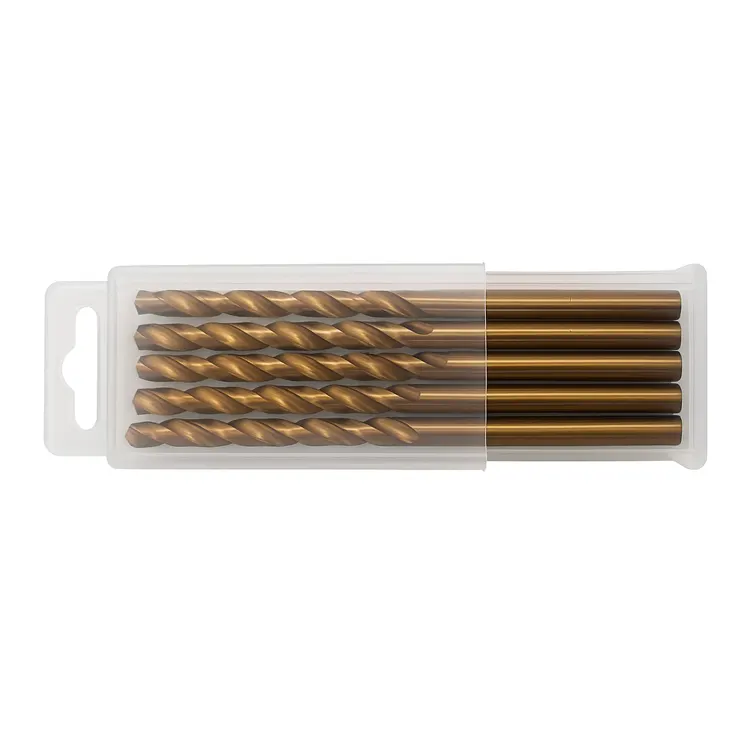
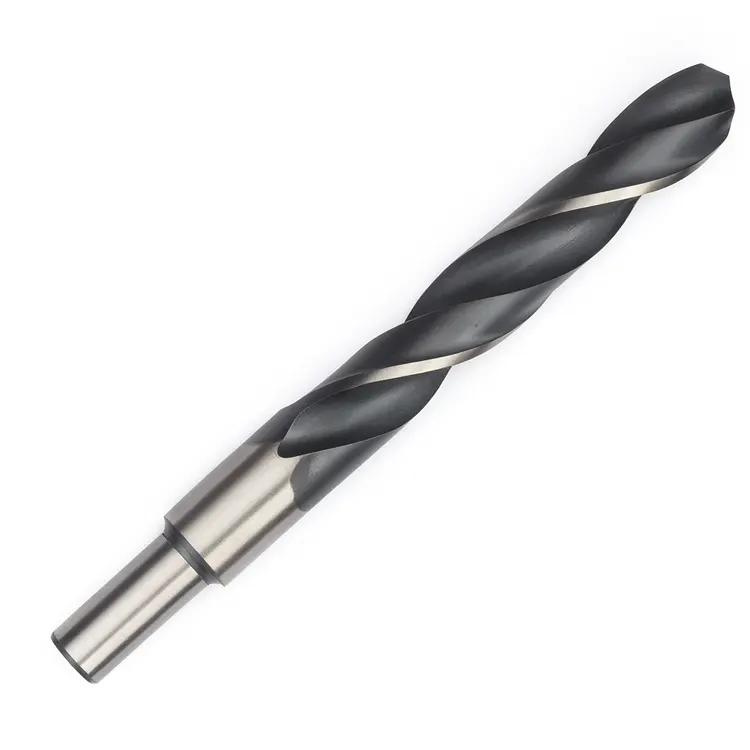
1. Cobalt (M35 / M42) Drill Bits
- Best balance of price and performance
- Higher heat resistance than HSS
- Great for hand drilling and light CNC
- Ideal if you drill stainless regularly
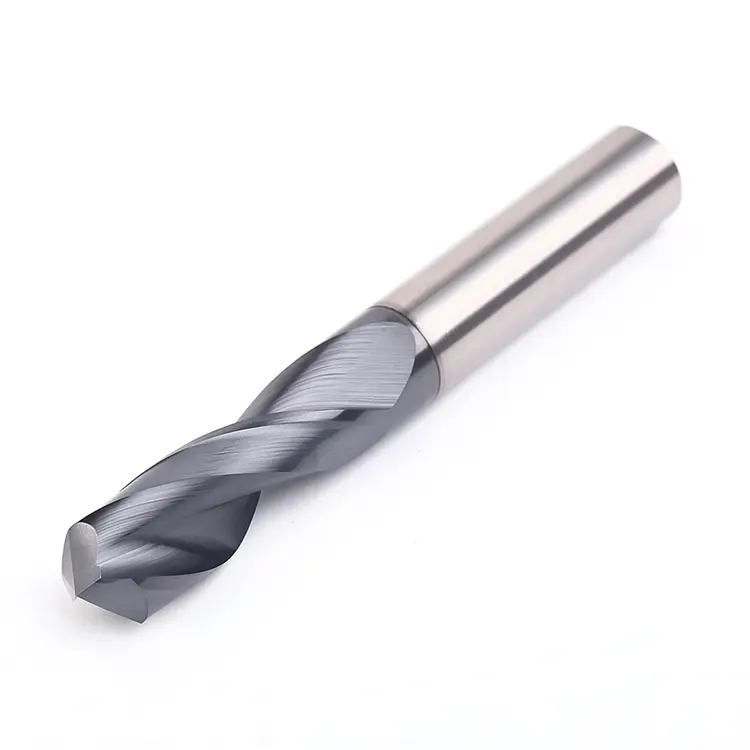
2. Solid Carbide Drill Bits
- Best for high-volume CNC work
- Excellent wear resistance and heat handling
- Higher upfront cost but longest lifespan in production
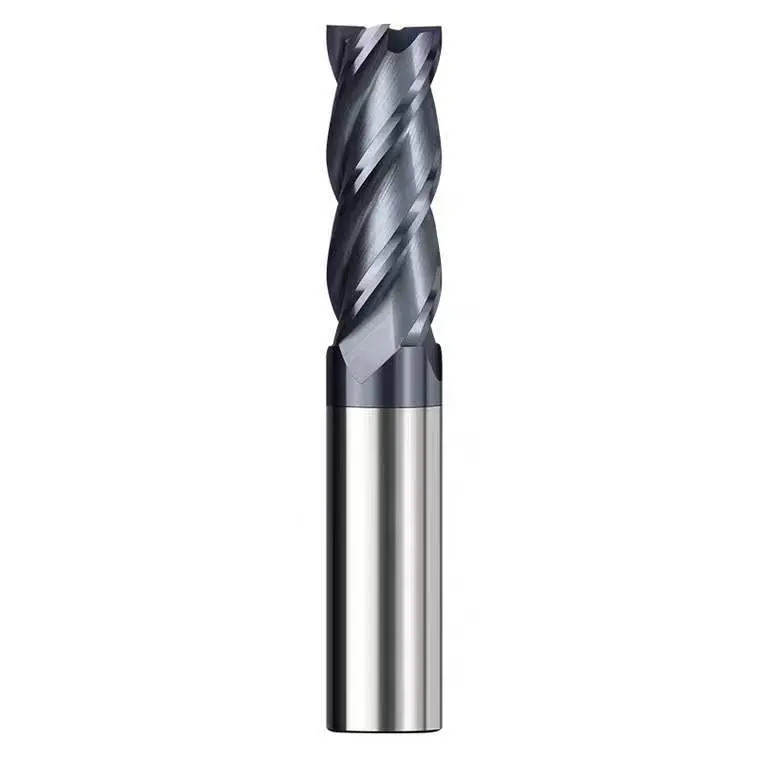
- Best option if you care about long tool life in stainless steel machining
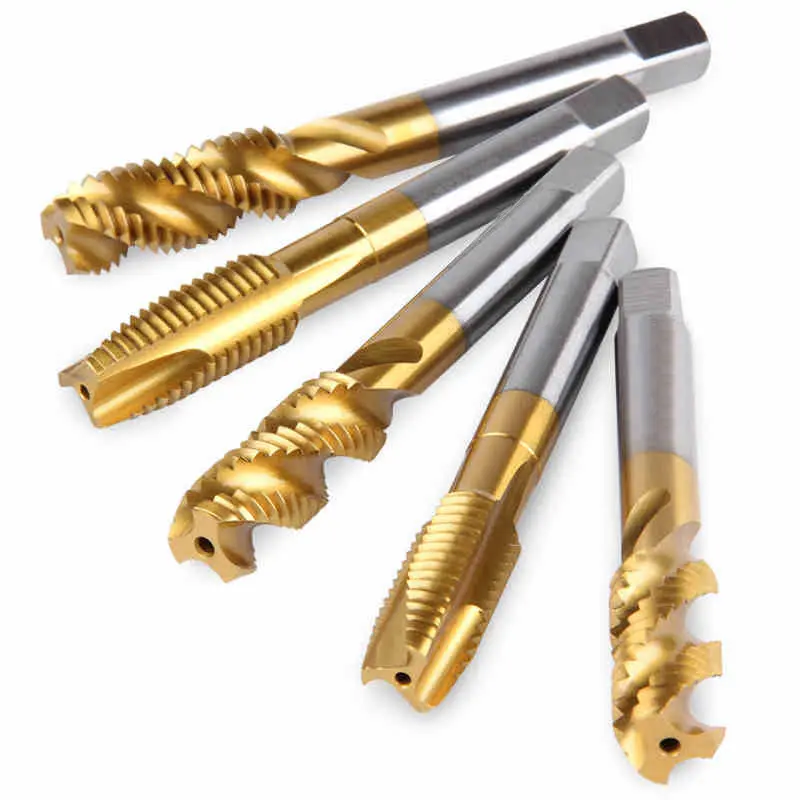
3. Coated Drill Bits (TiAlN / AlTiN)
- Coatings reduce heat and friction
- Extend tool life when speeds are correct
- Work best in CNC with proper cooling
If you’re drilling steel square tubing and want long life, avoid cheap HSS bits. A quality cobalt or carbide bit will last many times longer and save money in the long run.
Set Correct Speeds & Feeds (Too Fast = Tool Killer)
Running drills too fast is the fastest way to ruin them.
General RPM Rule (Basic Reference)
Lower RPM than mild steel. Stainless needs slower speeds and consistent feed pressure.
Example (10 mm drill in stainless):
- HSS: ~300–500 RPM
- Cobalt: ~500–800 RPM
- Carbide (CNC): higher, but only with proper coolant
Feed Rate Matters Too
- Feed firmly and continuously
- Avoid “pecking” too lightly—this rubs the edge and causes work hardening
- In CNC, use manufacturer-recommended chip load
If you’re not sure about numbers, err on the slower side and adjust upward. Heat kills tools faster than slightly slower cutting.
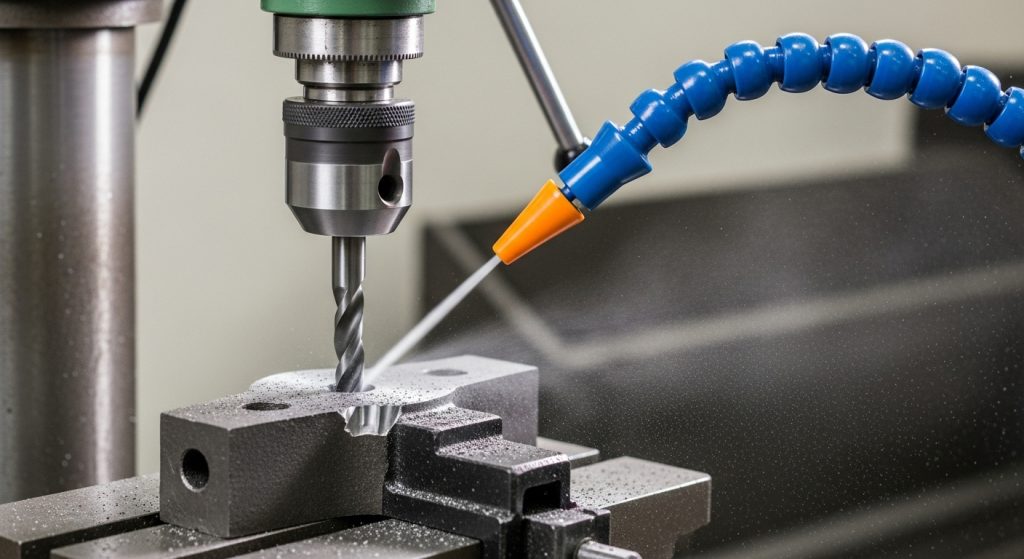
Use Proper Coolant or Lubrication (Never Drill Dry)
Dry drilling stainless steel is basically asking your drill bit to die early.
Best Options
- Flood Coolant (CNC) – Best for production
- Cutting Oil (Hand Drilling) – Simple and effective
- MQL Systems – Good compromise for cleaner shops
Benefits:
- Reduces heat
- Prevents edge burning
- Improves chip evacuation
- Extends drill bit life expectancy
Pro tip: If chips turn blue, you’re running too hot.
Control Chip Formation (Chips Tell You Everything)
Healthy chips = long tool life
Bad chips = tool damage coming soon
What You Want to See
- Tight curls
- Silver or light straw color
- Chips clearing the hole
Warning Signs
- Blue chips → too hot
- Powdery chips → rubbing instead of cutting
- Long stringy chips → poor evacuation
Use peck drilling in deeper holes to break chips and allow cooling—but don’t “feather” the bit. Every peck should still cut cleanly.
Drill Technique for Stainless Steel (Hand + CNC)
For Hand Drilling
- Start with a center punch
- Apply firm, steady pressure
- Keep the drill perpendicular
- Don’t let the bit spin without cutting
For CNC Drilling
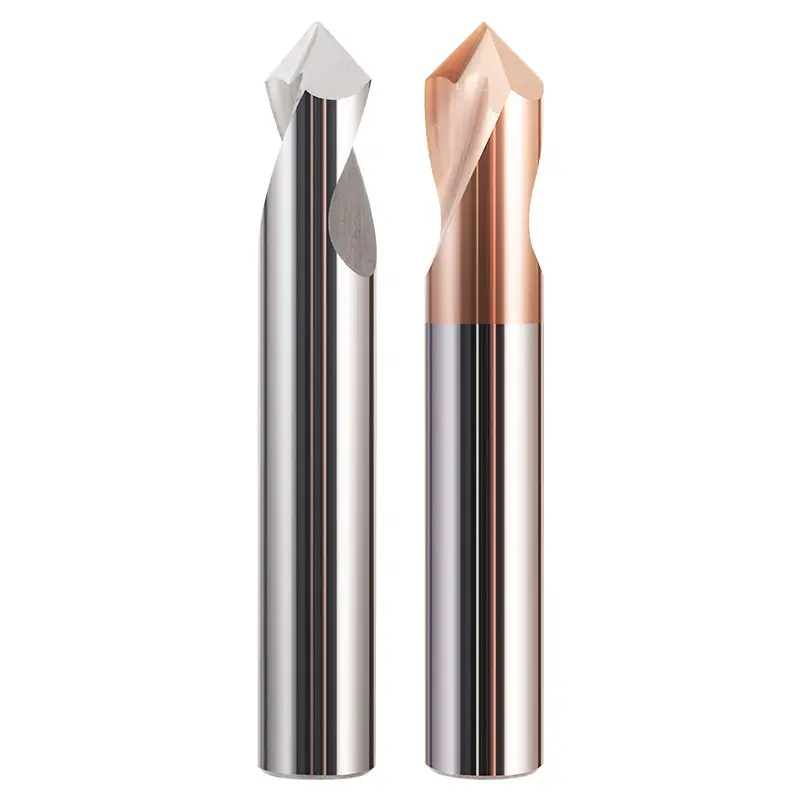
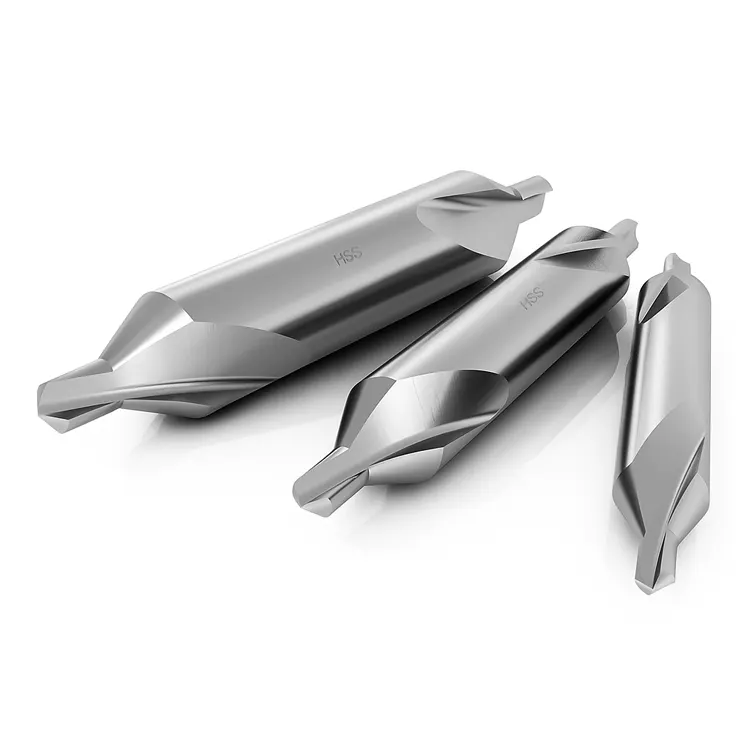
- Use spot drills to prevent walking
- Optimize peck cycles for depth
- Monitor tool wear and replace before catastrophic failure
- Avoid micro-pecking (causes rubbing and work hardening)
How to Extend Drill Bit Life Through Maintenance
Even the best drill bits die fast if you treat them badly.
Simple Tool-Life Habits
- Wipe down bits after use
- Store properly (don’t toss in drawers)
- Inspect cutting edges regularly
- Resharpen cobalt bits when dull
- Replace carbide bits before chipping causes part defects
Resharpening cobalt bits alone can double or triple their usable life if done correctly.
Common Mistakes That Kill Drill Bits in Stainless Steel
- Drilling too fast
- Not using coolant or oil
- Letting the bit rub and work harden the surface
- Using cheap HSS bits
- Poor chip evacuation
- Continuing to drill with dull tools
- Using the same parameters for mild steel and stainless
Each of these reduces drill bit life expectancy dramatically.
How CNC Shops Can Reduce Tooling Costs Long-Term
If you’re running production:
- Standardize tooling for stainless steel
- Use carbide for repeat jobs
- Track tool life per batch
- Optimize speeds/feeds per material grade
- Build tool-change intervals into your process
- Invest in reliable drill bits for stainless steel instead of cheap consumables
Tool cost isn’t about unit price—it’s about cost per hole drilled.
Choosing Drill Bits for Stainless Steel: What to Look For
When selecting the best drill bit for metal, check:
- Material: Cobalt or carbide
- Coating: TiAlN / AlTiN for heat resistance
- Point geometry: 135° split point reduces walking
- Brand quality and consistency
- Availability of regrinding (for cobalt)
Cheap bits may look fine, but they fail faster and increase scrap risk.
Final Thoughts
If your drill bits keep burning out when machining stainless steel, the fix usually isn’t one big change—it’s a few small ones done consistently:
- Use the right drill bit material
- Slow down your RPM
- Feed firmly
- Always use coolant or oil
- Monitor chips
- Replace dull tools early
- Train operators to avoid rubbing
Do this, and you’ll dramatically extend drill bit life, reduce tooling costs, and get cleaner, more accurate holes—whether you’re drilling square tubing by hand or running stainless steel parts on CNC.
